How to Plan a Successful Product Sampling Campaign.
Product sampling can be one of the most effective ways to introduce a product to consumers.
Why planning matters in product sampling.
Product sampling generates trial and builds brand awareness. However, successful campaigns rarely happen by accident. Careful planning around audience, location, staffing and engagement strategy determines whether sampling simply distributes products or genuinely influences purchasing behaviour.
Sampling is often viewed as a straightforward activity, but the difference between a basic giveaway and a successful activation lies in preparation.
A well planned campaign ensures that products reach the right audience, in the right environment, with the right level of engagement. Without this structure, brands risk distributing large volumes of samples without creating meaningful brand impact.
Planning also allows brands to align sampling with broader marketing objectives such as product launches, retail listings or brand repositioning.

Defining the objective of a sampling campaign.
Every successful sampling campaign begins with a clear objective. Brands may want to introduce a new product, generate trial in a specific region or support retail distribution.
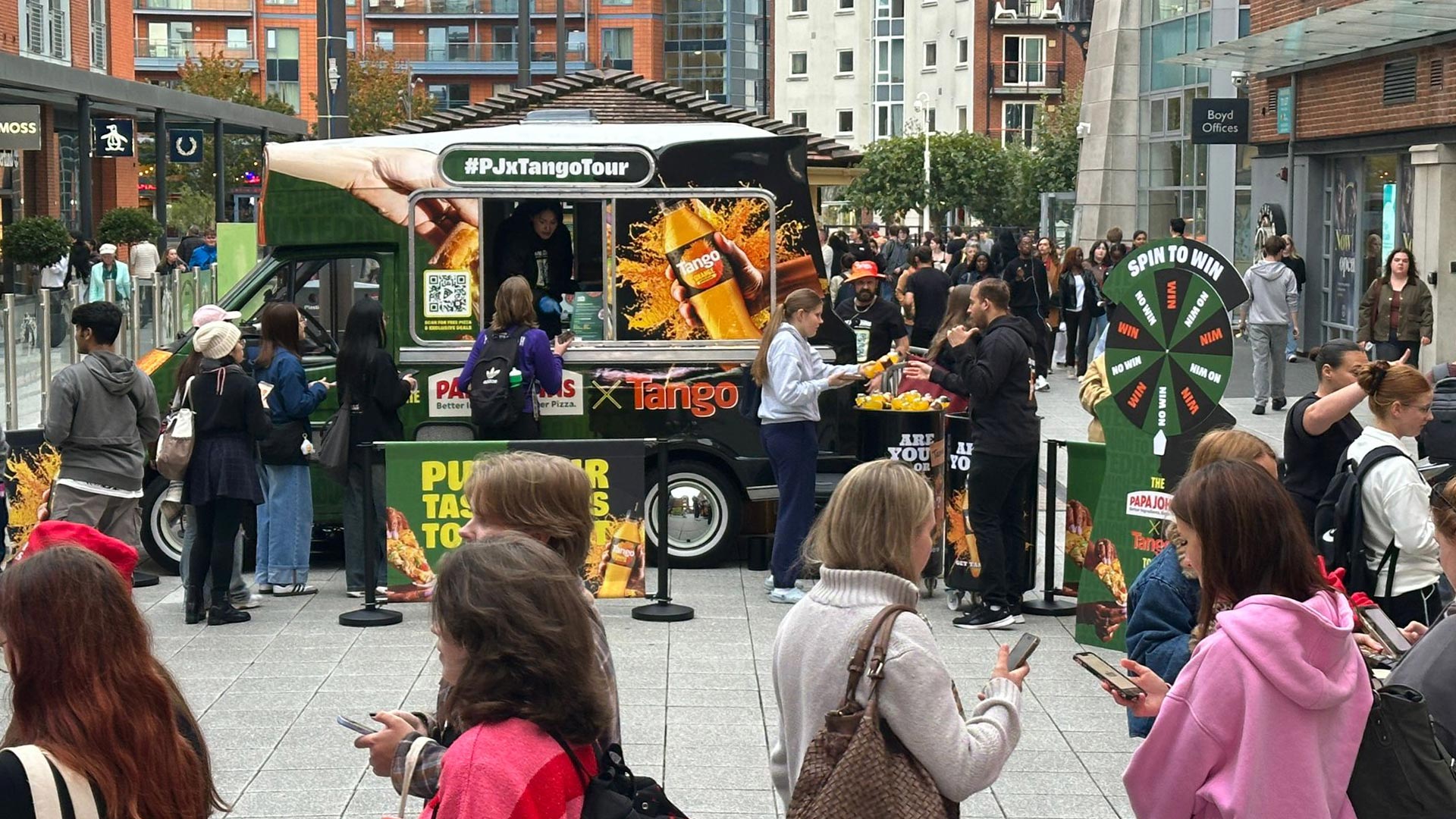
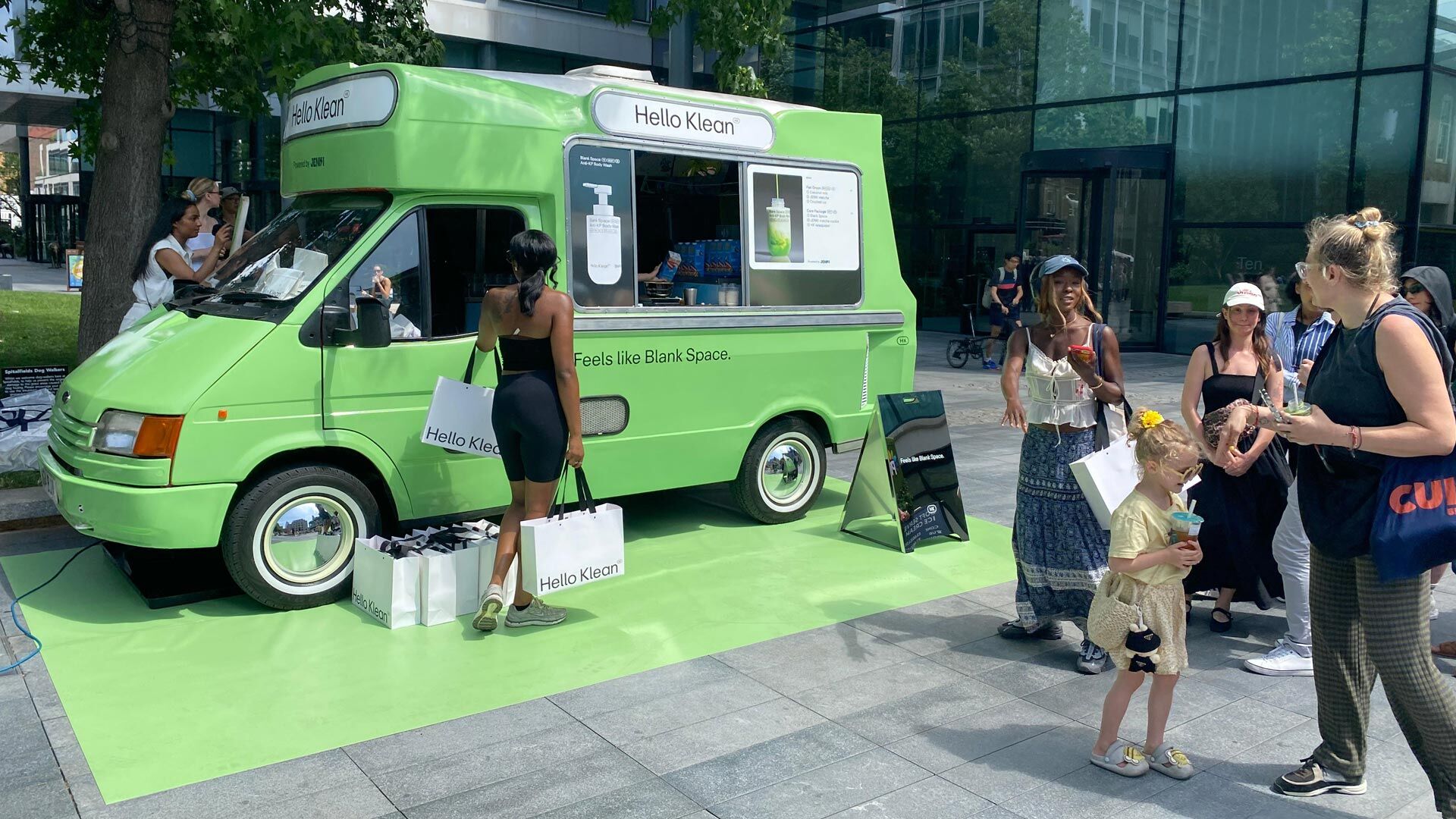
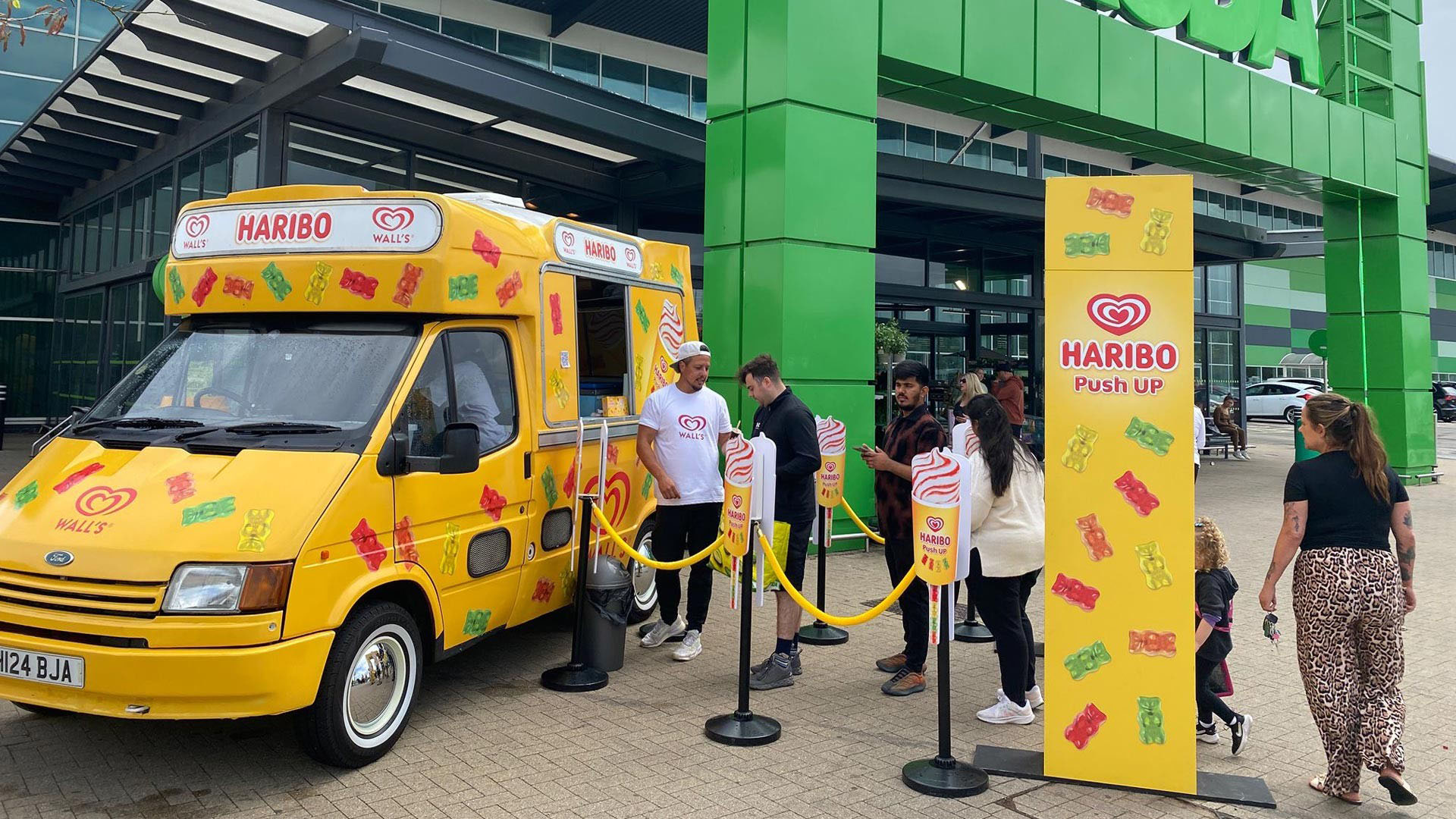
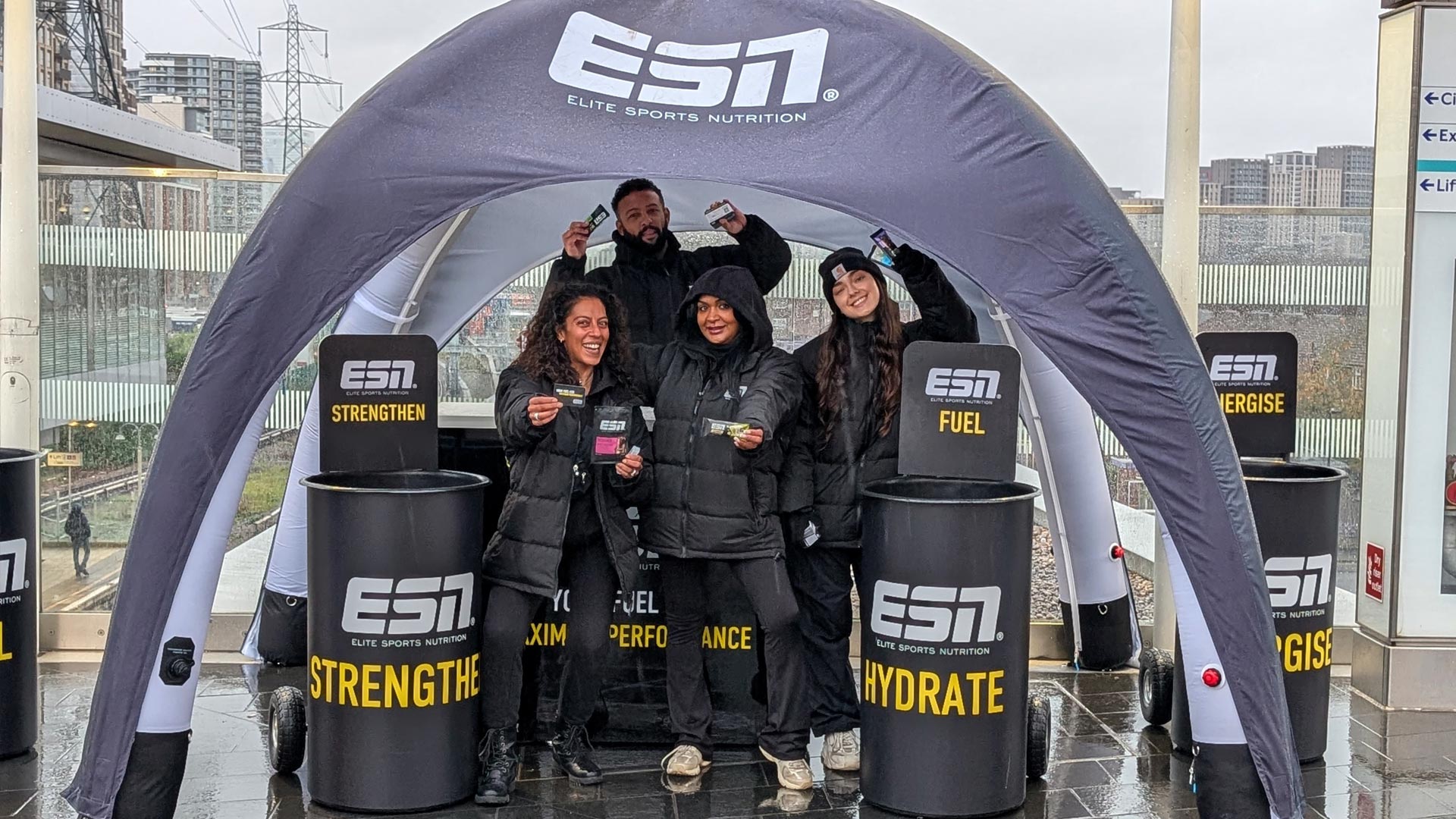
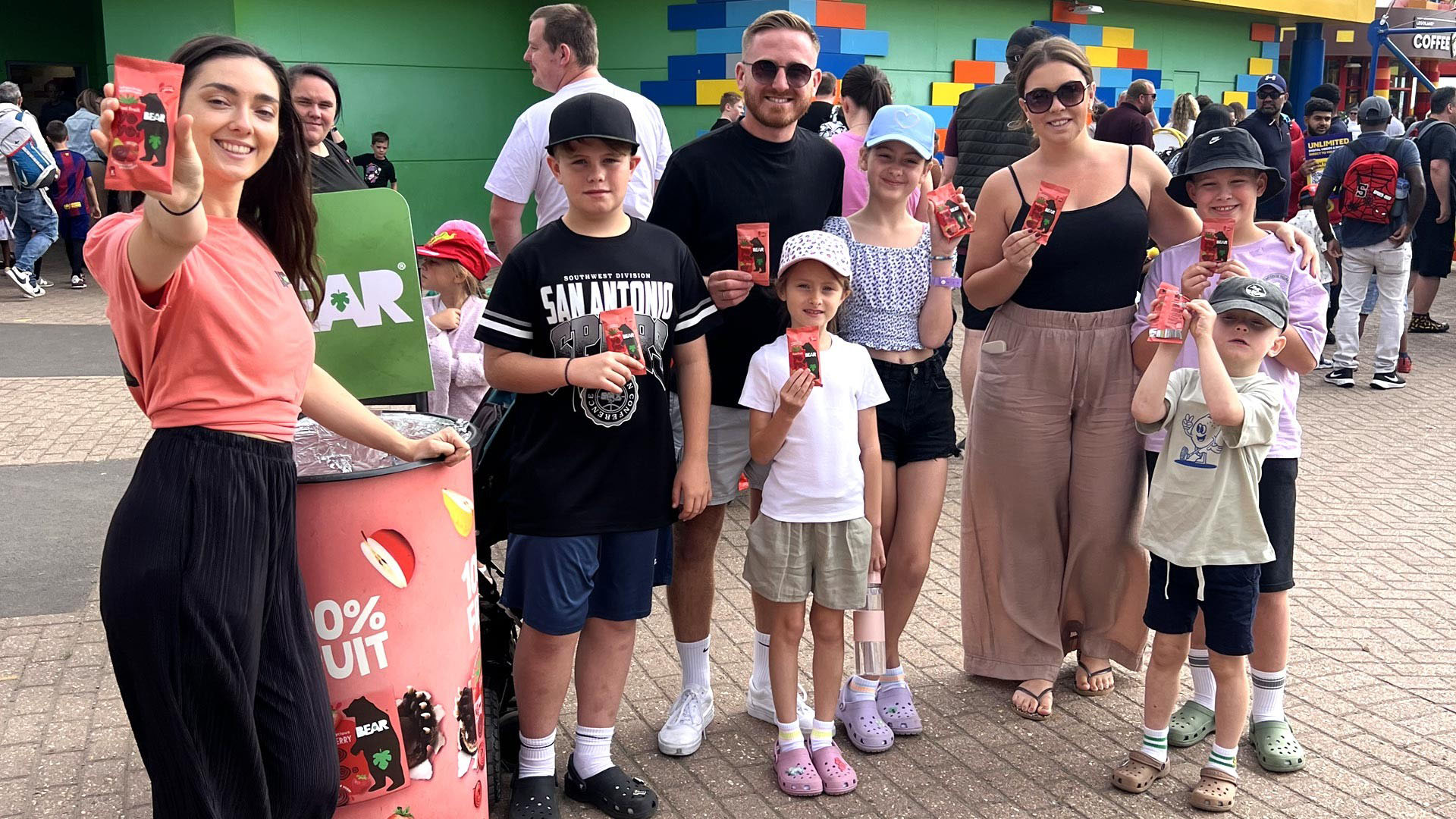
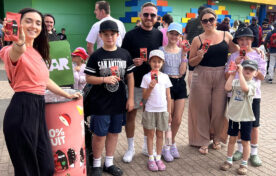
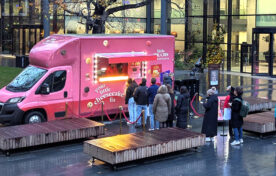
For example, commuter focused sampling can rapidly distribute thousands of samples in high footfall environments, while experiential activations create deeper brand engagement in destination retail locations.
The objective determines everything from campaign scale to staffing levels and location strategy.
Planning the right sampling locations.
Location is one of the most important factors influencing the success of a sampling campaign.
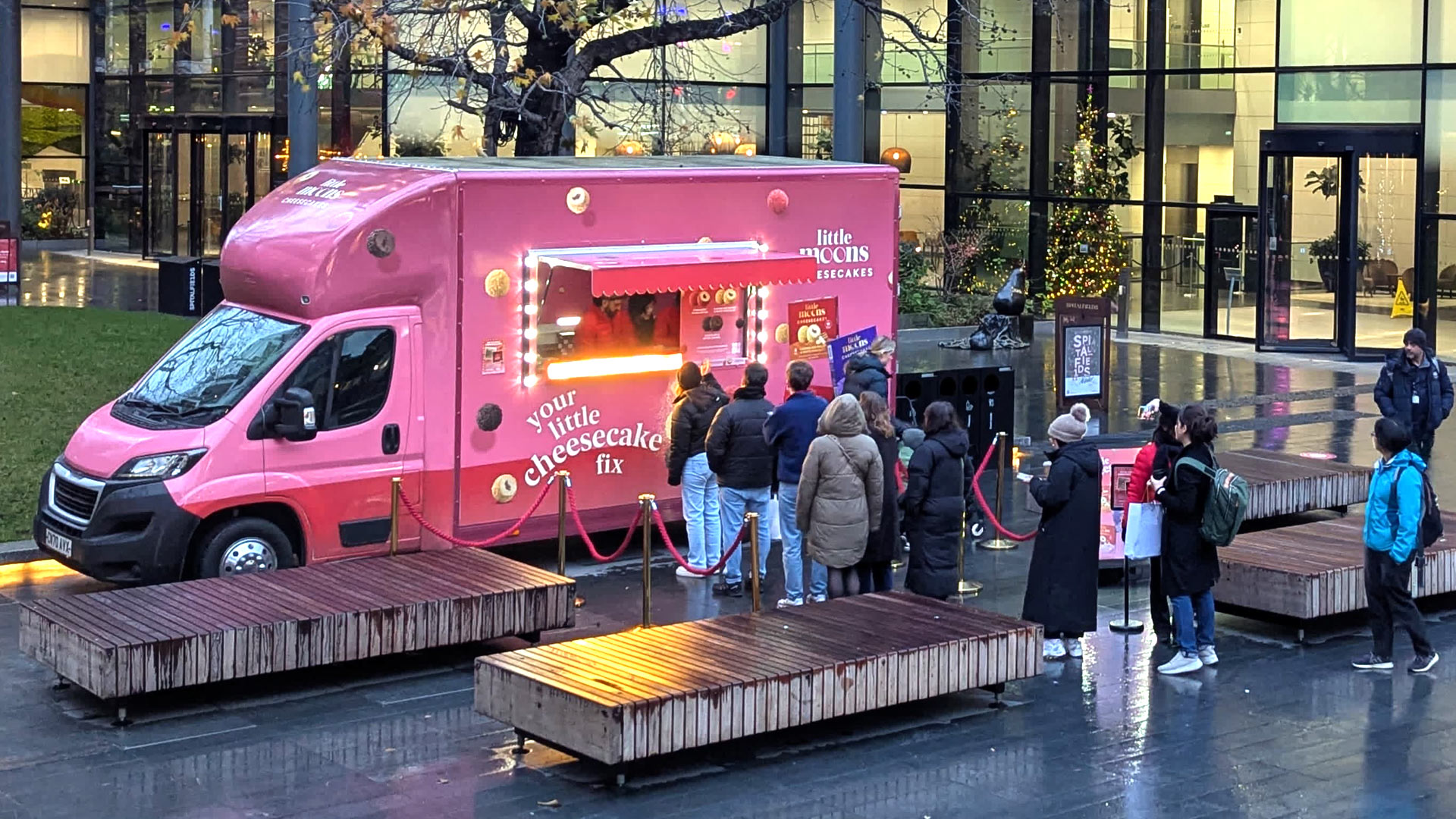
High footfall areas such as city centres, shopping destinations and transport hubs provide access to large audiences. Festivals and food events can also provide strong alignment with consumer interest.
In some cases, proximity to retail locations can significantly improve campaign performance by allowing consumers to purchase the product shortly after sampling.
Permit requirements, logistics and expected footfall should all be considered when selecting locations.
Designing the right level of engagement.
Not all sampling campaigns require the same level of interaction.
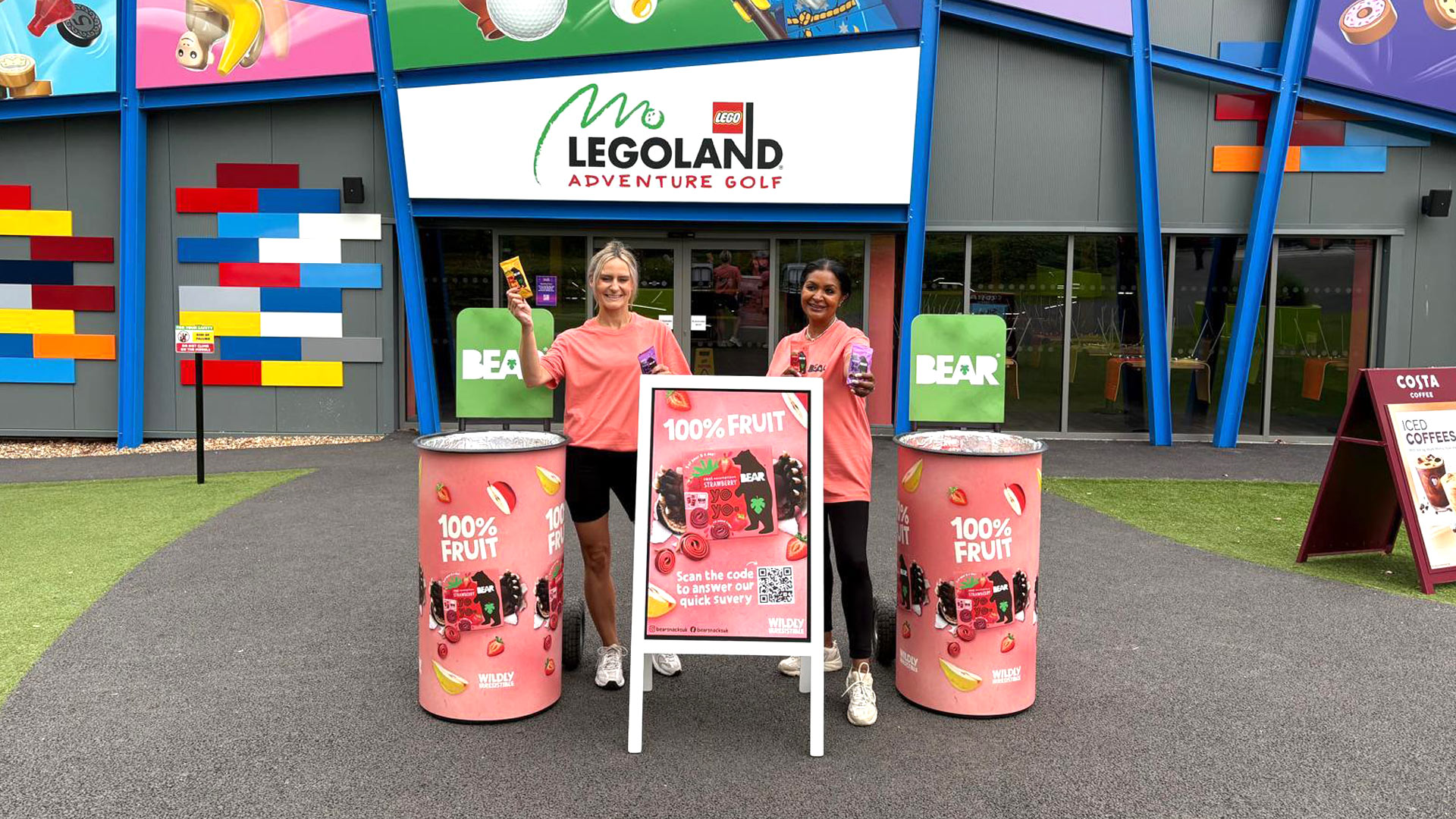
Some campaigns focus on high volume distribution, particularly in commuter environments. Others prioritise deeper engagement where trained brand ambassadors explain the product, demonstrate its benefits and answer consumer questions.
Face to face interaction often improves product understanding and increases consumer confidence in trying something new.
The appropriate engagement level should reflect campaign objectives and budget.
Sampling staff and brand ambassador training.
Brand ambassadors play a central role in shaping the consumer experience during a sampling campaign.
Well trained staff who understand the product and brand positioning can turn a brief interaction into a meaningful conversation. This can significantly influence how consumers perceive the product and the brand behind it.
Staffing levels should be carefully planned to ensure that ambassadors can manage demand while maintaining quality engagement.
Managing logistics and compliance.
Behind every sampling campaign is a significant amount of operational planning.
Campaigns must consider stock management, transport, health and safety procedures and public liability insurance. Location permits may also be required depending on the activation environment.
Managing these operational details ensures the campaign runs smoothly and protects both brand and consumer experience.
Measuring campaign success.
Planning should also include how campaign performance will be evaluated.
Brands commonly assess sampling campaigns through metrics such as:
- cost of the campaign
- number of samples distributed
- consumer engagement levels
- consumer feedback gathered during interactions
- retail performance following the activation
- ROI (return on investment)
Clear measurement allows brands to understand the commercial impact of the campaign and optimise future activity.
Ready to start your product sampling campaign?
Product sampling remains one of the most powerful ways to introduce products to consumers, but success depends on planning as much as execution.
When campaigns are carefully structured around clear objectives, strategic locations and meaningful engagement, sampling can drive trial, build trust and support measurable brand growth.
We ca help – get in touch.
-
A successful sampling campaign combines the right audience, location, staffing and engagement strategy to ensure that product trial leads to meaningful consumer interaction.
-
High footfall environments such as city centres, shopping destinations, festivals and commuter hubs are commonly used to maximise reach and engagement.
-
Performance is usually measured through sample distribution volume, consumer engagement levels, feedback collected and post campaign retail performance.