Is Product Sampling Bad for the Environment?.
iMP Experiential & Product Sampling blog article about product sampling, the environment and how it can be managed sustainably and responsibly.
Is product sampling bad for the environment?
Honest answer: it can be. A badly run sampling campaign handing out sample products that nobody asked for, in single-use plastic, driven around the country in ad-hoc vehicles without an economical route or schedule… and then throws away what’s left without considering landfill, recycling opportunities or food banks? Campaigns like that serve to be put in the bin – metaphorically speaking.
But “is sampling bad for the environment” is the wrong question, because it treats all sampling as the same activity – it’s not. The right question is the one every FMCG brand manager already asks about the plan: what does the campaign cost, what’s the cost per sample and can we get that cost down?
Product sampling is one of the most defensible lines in a marketing budget on both counts. Where sampling has the potential to be damaging to the environment, that’s where a sustainability policy comes into play. We’re not talking about a token gesture to cover off the B-Corps metrics – we mean one that works IRL. And such a sustainable product sampling policy does exist.
What actually makes a campaign sustainable.
France’s opt-in law is the sledgehammer version of something good campaigns do voluntarily: targeting. Don’t hand samples to everyone; hand them to the people your product is actually for. Hyper-targeted campaigns don’t just waste less – they perform 23% better at driving purchase and advocacy than un-targeted ones (Field Marketing). Sustainability and effectiveness point the same way, which is the most useful fact in this whole debate.
Beyond targeting, four levers do most of the work:
- Serving materials: switching from standard single-use plastic to compostable or widely recyclable alternatives changes campaign cost by pence per sample, not pounds, and it’s the thing shoppers see. Recyclability is the number one packaging attribute for UK consumers (Pro Carton 2026).
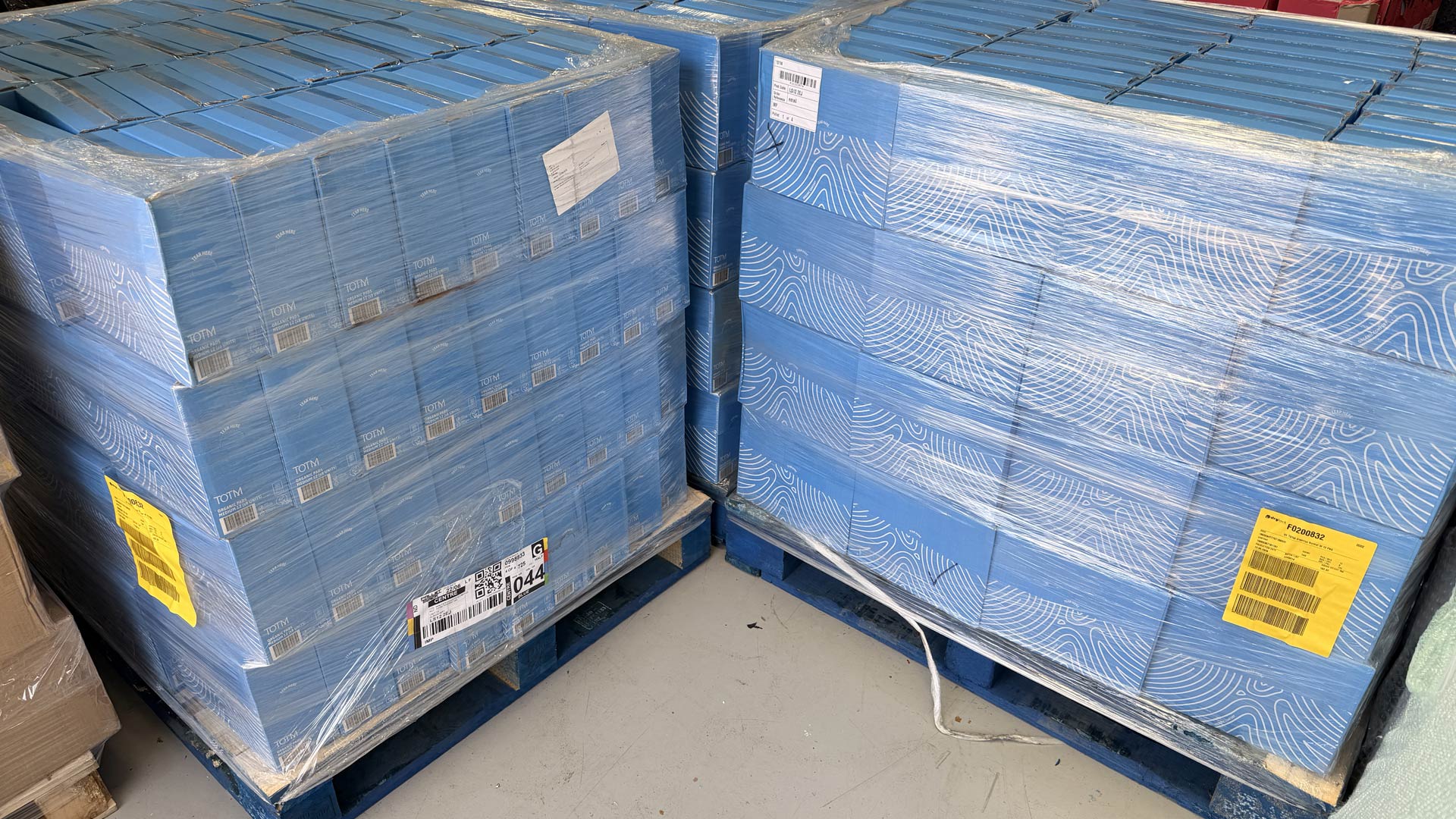
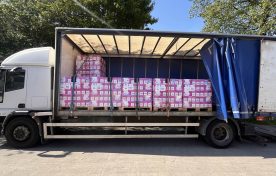
- Route consolidation: Asahi’s sustainability team describe consolidating stock deliveries into their sampling agency as standard practice (Field Marketing) fewer, fuller journeys on planned routes instead of ad-hoc courier runs.
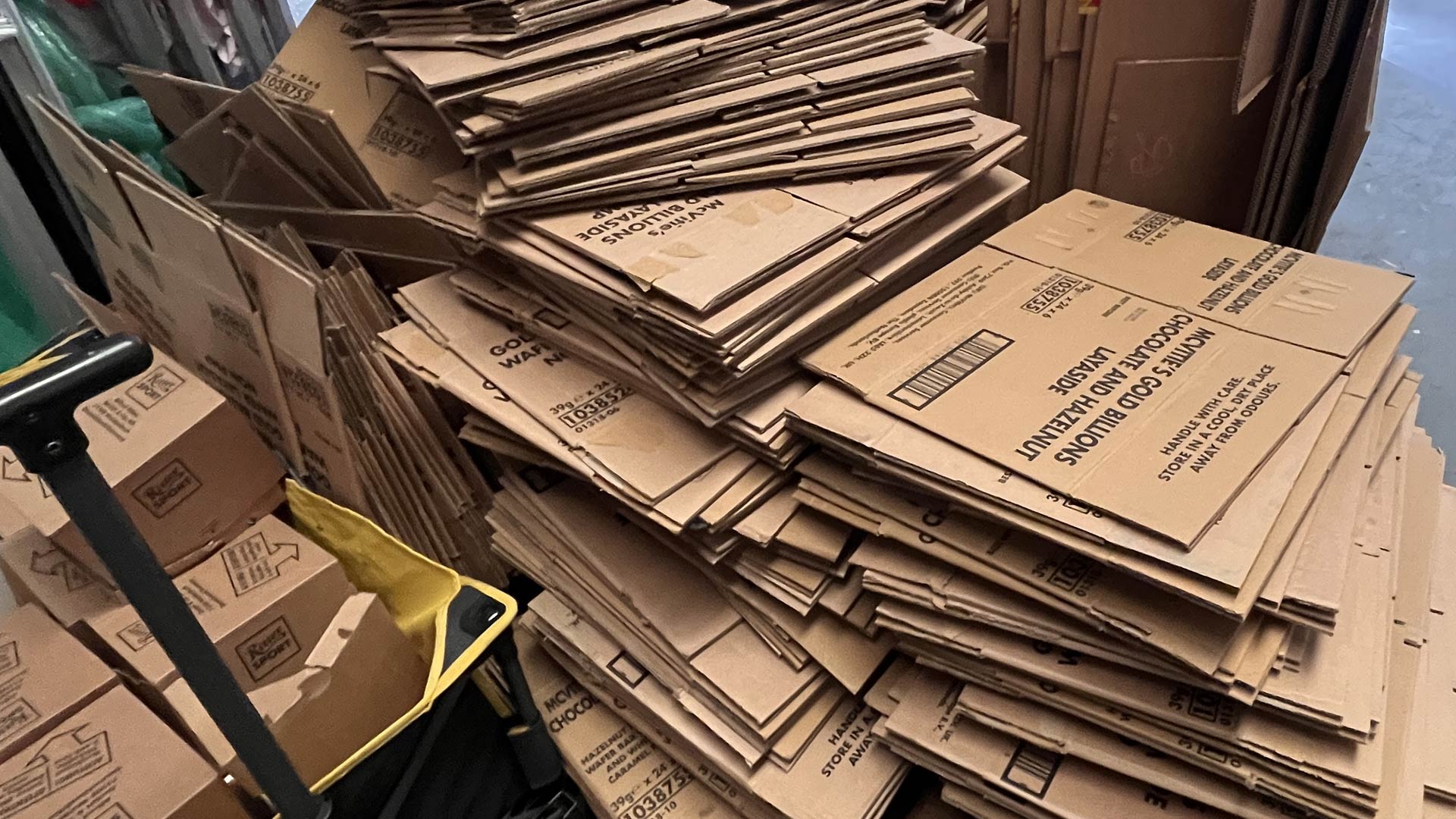
- Builds and reuse: campaign stands and props built from FSC-certified timber, up-cycled materials from previous campaigns, water-based paints and minimal plastics are designed to be re-used, not skip-bound after one weekend.
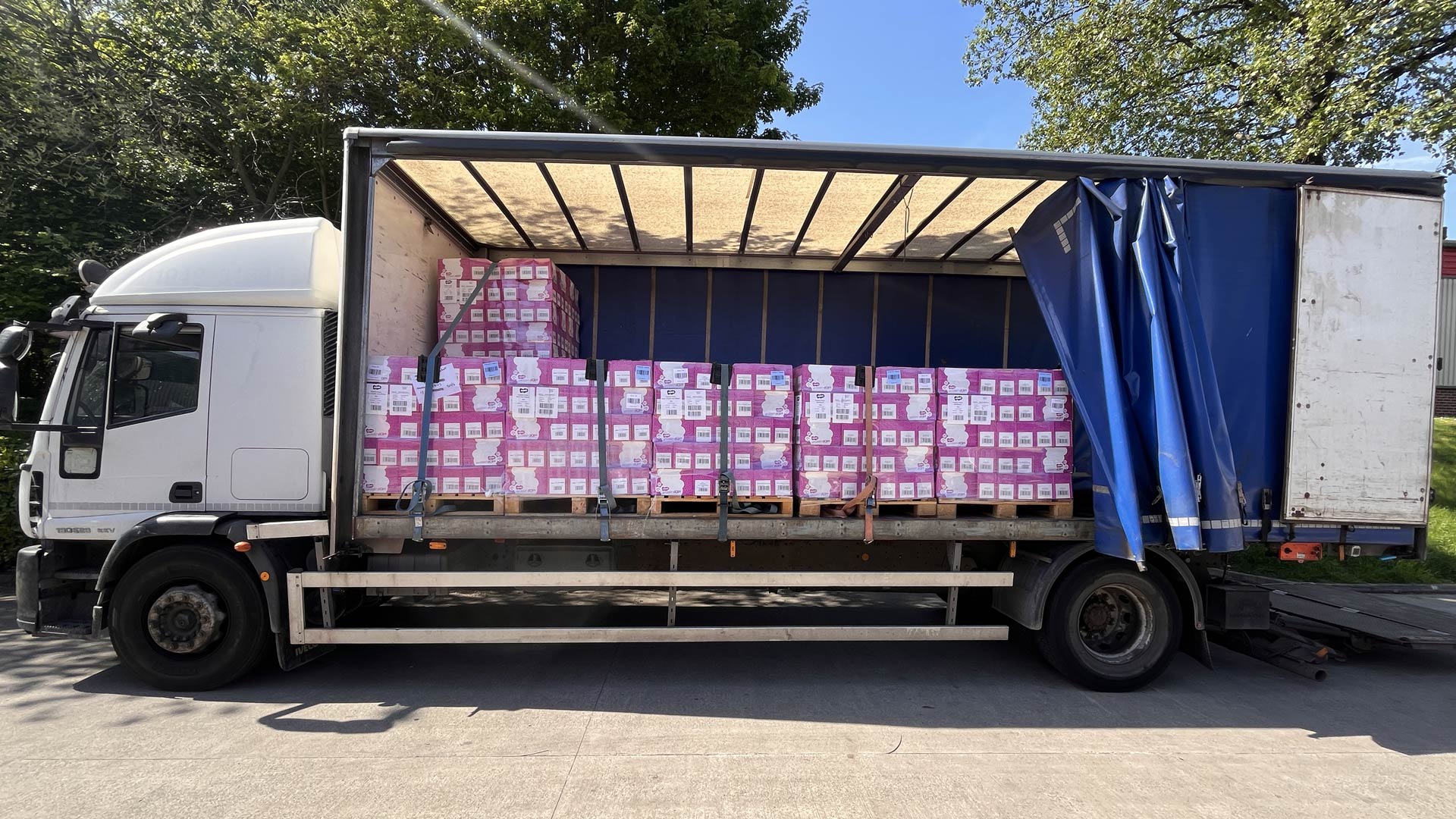
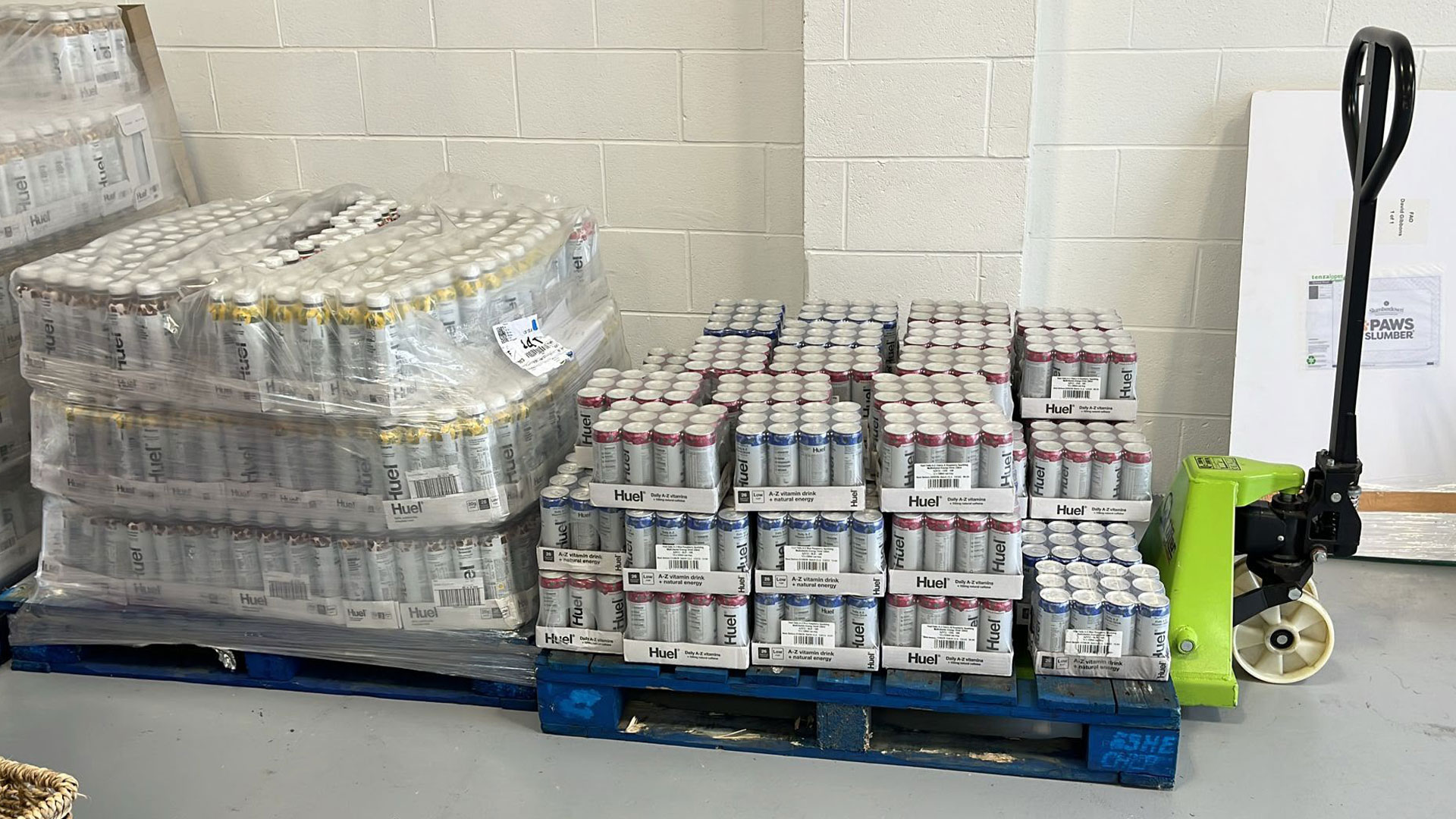
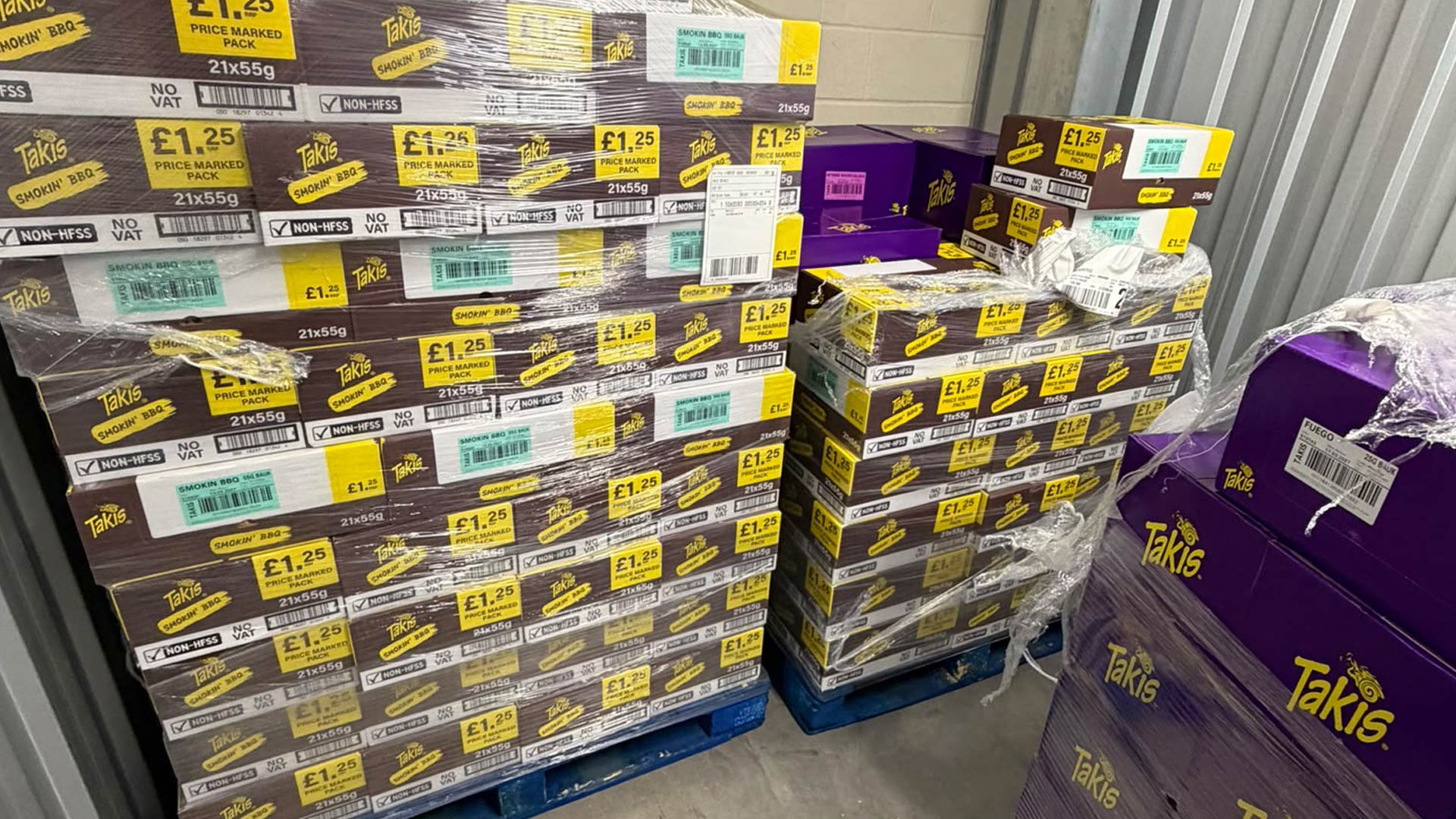
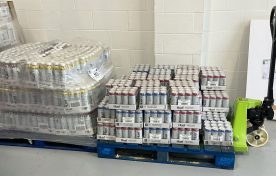
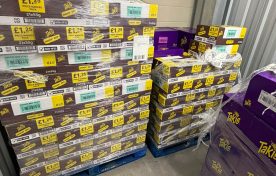
- Surplus redistribution: the single biggest difference between a wasteful campaign and a responsible one is “what happens to the product left over?” A redistribution partner agreed before the campaign starts, not a phone call to a food bank after it ends.
There’s one more thing worth knowing: UK consumers won’t pay a premium for any of this. 71% say they’ll only buy the sustainable option if it costs the same (Pro Carton 2026) which means sustainability has to be built into campaigns at no extra cost, not sold as an upgrade. And with over 70% of UK adults thinking brands often look greener than they really are (Mintel), unverifiable claims are worse than none. Ask any agency for specifics: named materials, actual routes, named partners, numbers.
How iMP runs it.
We’ve been product sampling for 18+ years and have put more than 11 million samples into consumers’ hands, so we’re not going to pretend there’s no footprint. There is. Our position is that we own it because we own the whole supply chain.
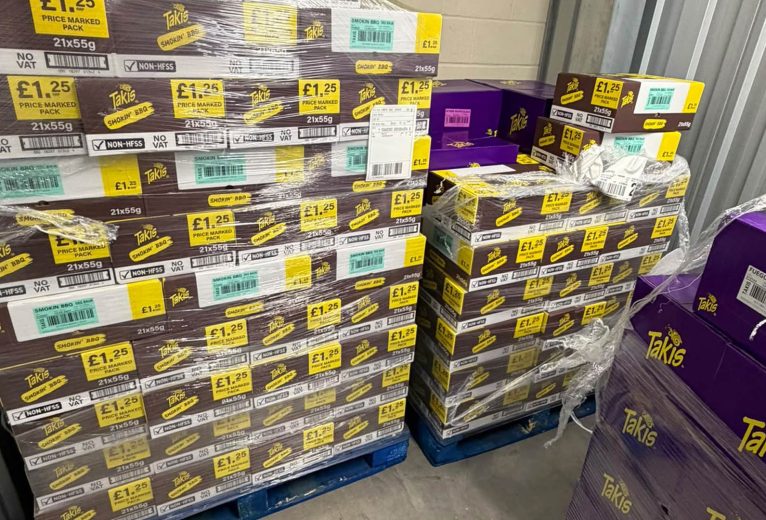
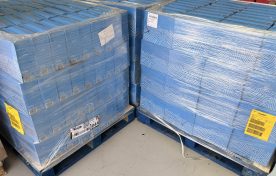
Eco serving materials are our default, not an upgrade. Our fleet is modern and low-emission, and stock moves on planned, consolidated routes. Campaign builds happen in our own workshops using FSC-certified timber, upcycled materials from previous campaigns and water-based paints. And since 2022 we’ve redirected more than 25 pallets of non-perishable, tinned and ambient surplus product to Leeds North & West Foodbank, alongside a weekly waste contract with accredited waste firm Premier Waste Recycling.
The full breakdown materials, fleet, builds, surplus, and what we report back to you is on our sustainability page.
The bottom line.
Is product sampling bad for the environment? Run carelessly, yes, and increasingly your shoppers, your buyers and your own procurement team will notice. Run deliberately, it’s a measurable, improvable channel that converts better than almost anything else you can buy, with a footprint you can actually see and shrink.
If you’re planning a campaign and want the sustainability standards built in from the brief stage, see how we run sustainable sampling or talk to us about your campaign.
Sources: WRAP – UK food waste key facts · WRAP – household food waste · Field Marketing – sustainable sampling and France’s law · Pro Carton 2026 UK survey, via Priory Direct · Mintel – clean packaging · Leeds North & West Foodbank · Premier Waste Recycling