Sustainable Product Sampling.
Our Sustainable Product Sampling Policy outlines how iMP minimises waste and emissions across every UK product sampling and experiential campaign.
Sustainable product sampling in 2027.
We run product sampling and experiential campaigns for brands that value sustainability in our industry. As a leading experiential and product sampling agency we’re held accountable for the campaigns’ environmental impact. Our vehicles, our workshops, our storage, our field teams – because we control the full end-to-end execution, sustainability stops being a buzz word and becomes an operational necessity for us.
That’s the difference between an agency that sources sustainably where convenient and one that won’t run a tour any other way. And we only boil the office kettle when it’s full and everyone wants a cuppa.
We own our sustainability promise.
Many sampling agencies are brokers for other agencies or brands. They rent vehicles from third parties (very often from us), subcontract their staffing (again, to us!) and buy in their builds (see before) so the sustainability standard on your campaign depends on whichever supplier won the job that week.
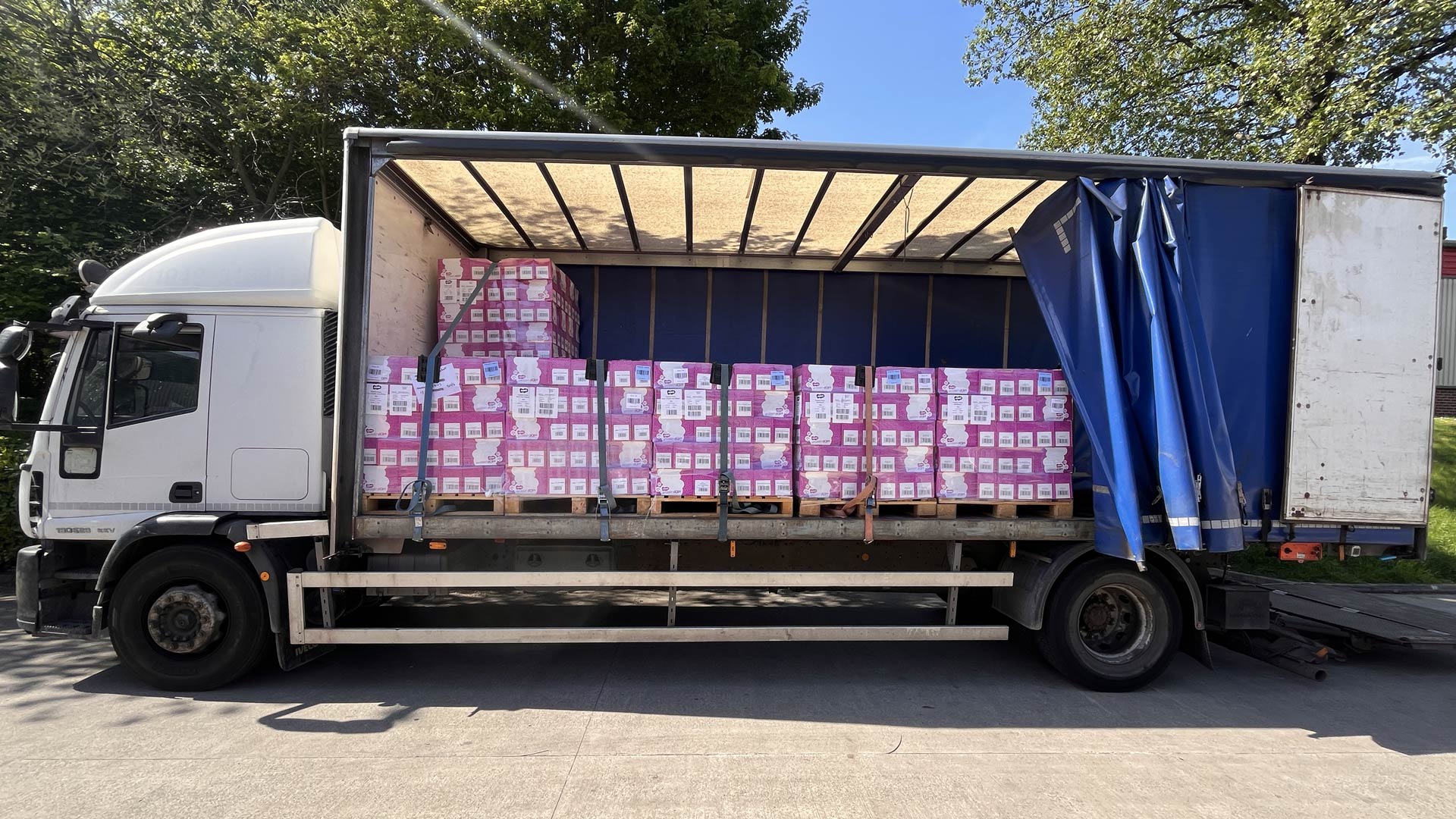
iMP doesn’t work that way. We own our promotional vehicles, we build our stands and props in our own workshops and studio and every ambassador on the campaign is recruited, trained and employed by us. No third party staffing agencies or jobs boards involved. Sustainability standards set at head office in Leeds are the standards delivered on the street.
Eco materials as standard.
Every campaign is specced with sustainable serving and build materials as standard:
- Compostable, recyclable serving materials – cups, spoons, sachets and wraps sourced from responsible suppliers as the default (like Vegware) with plastic alternatives only where a brand’s product genuinely requires them.
- Minimal packaging – we design sampling formats that use the least material possible while protecting the product.
- Responsible sourcing – material choices are recorded on every campaign so your brand team can report them.
Low-emission vehicles and routes.
Sampling tours need logistically slick operations, and logistics are where most of a campaign’s footprint lives. Our promo vehicles are modern, low-emission, majority ULEZ-compliant and Euro 6 standard or better, with electric vehicles in use where possible.
Because we own the vehicles and plan the tours ourselves:
- Economic route planning to reduce mileage – one vehicle, one efficient route, multiple sites.
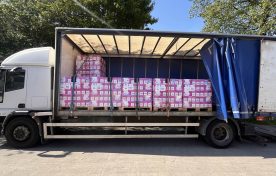
- Owned storage facilities mean stock travels from our warehouse direct to site, not through third-party distribution chains.
- Cold-chain infrastructure is ours, so temperature-controlled product moves on our routes under our control – no duplicated courier runs.
Builds & fabrication: designed to be reused.
Our in-house workshops are where sustainability gets engineered in. The people choosing the materials are the people building the campaign:
- FSC-certified timber – all wood and timber we use is FSC certified.
- Upcycling as standard – materials and equipment from previous campaigns are repurposed into new builds wherever possible.
- Water-based paints and eco-friendly coverings – minimal and reduced plastics, biodegradable materials where feasible.
- Modular thinking – builds are designed with their second life in mind: reconfigurable for the next campaign rather than destined for a skip after one tour.
A bespoke build with a pre-determined reuse plan has a fraction of the footprint of a cheaper one that’s scrapped.
Surplus & waste: nothing quietly binned.
Many sampling campaigns end with surplus. That’s just the nature of experiential and sampling campaigns. What matters is where it goes after the activation is finished:
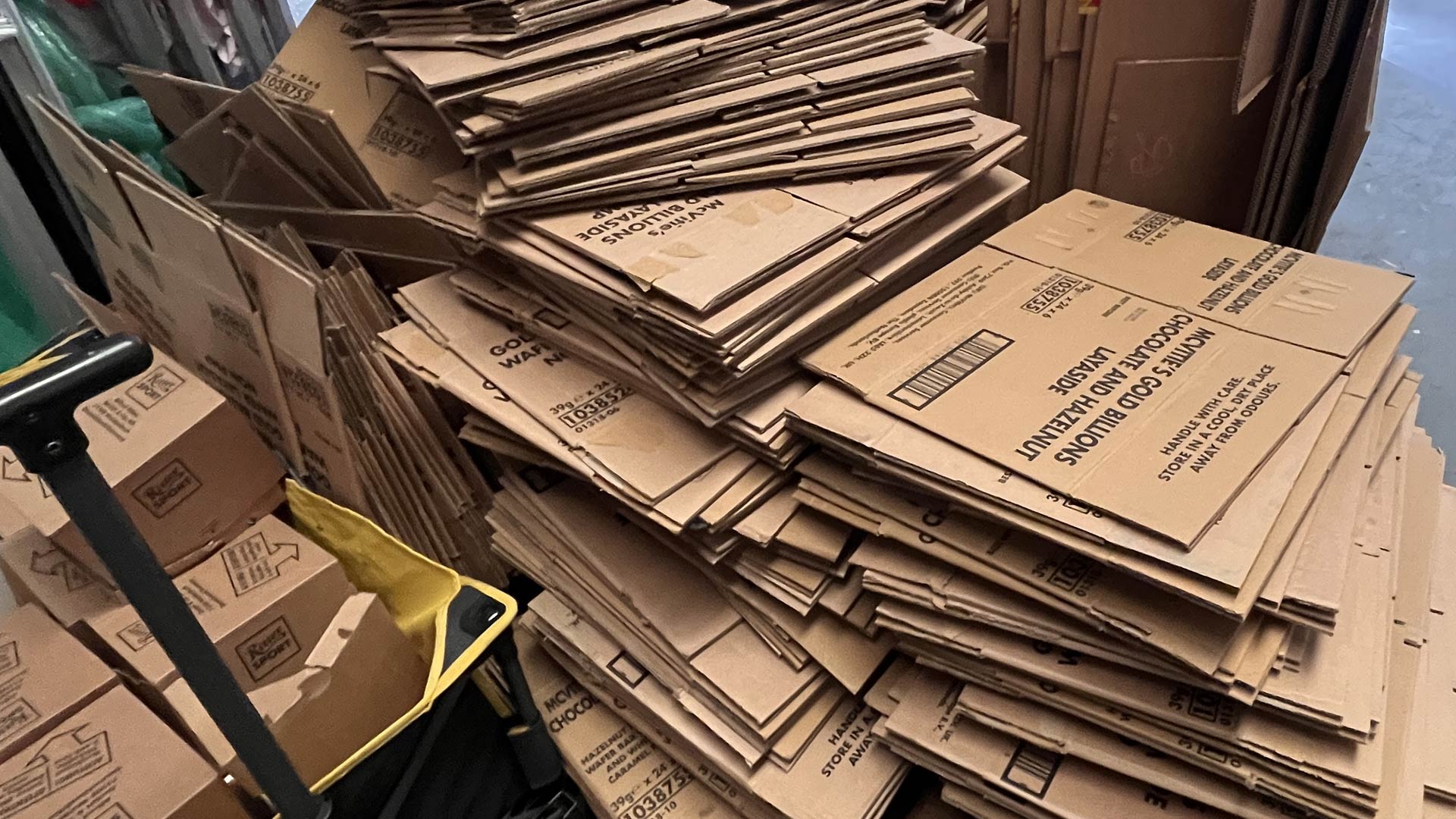
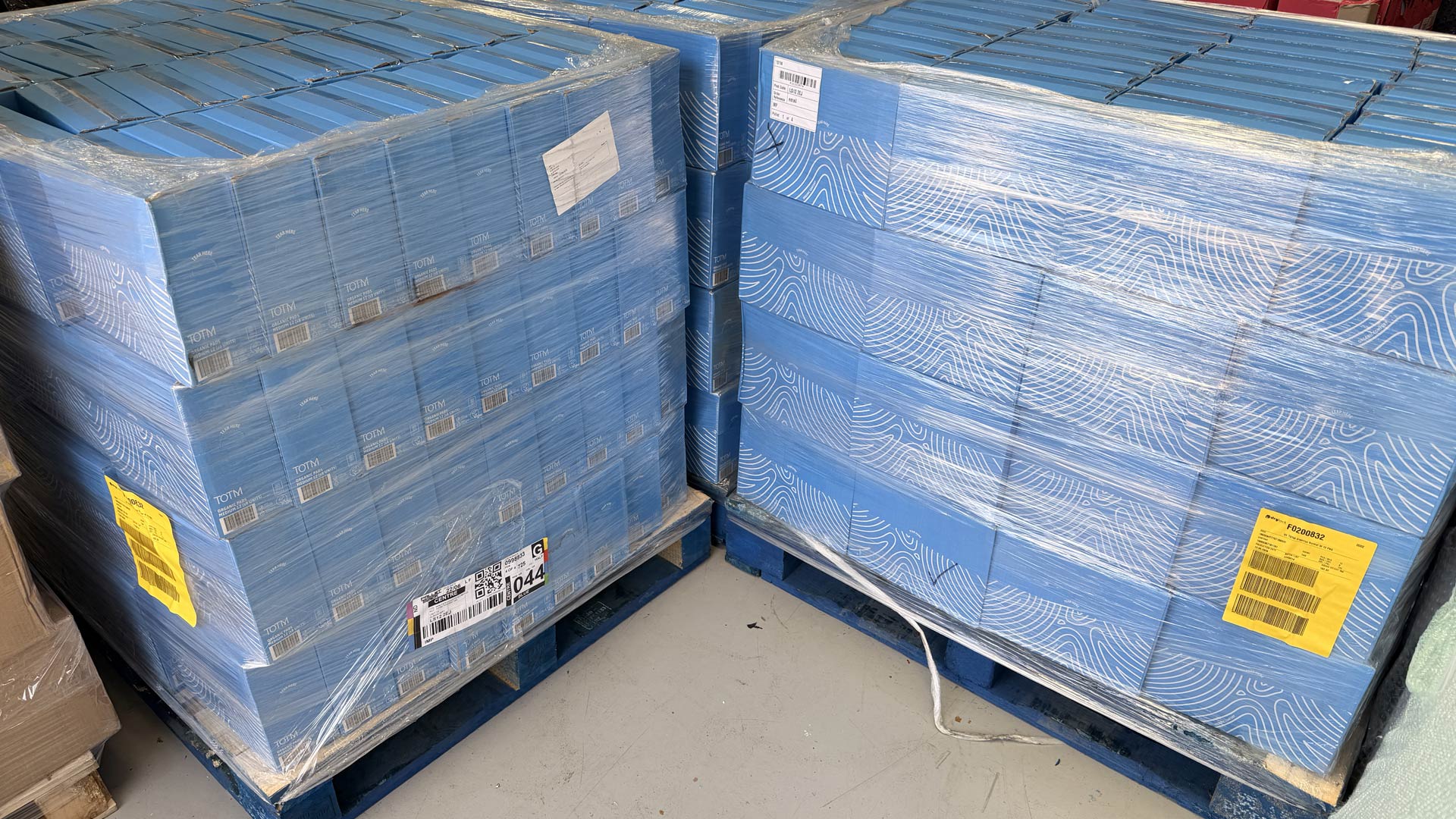
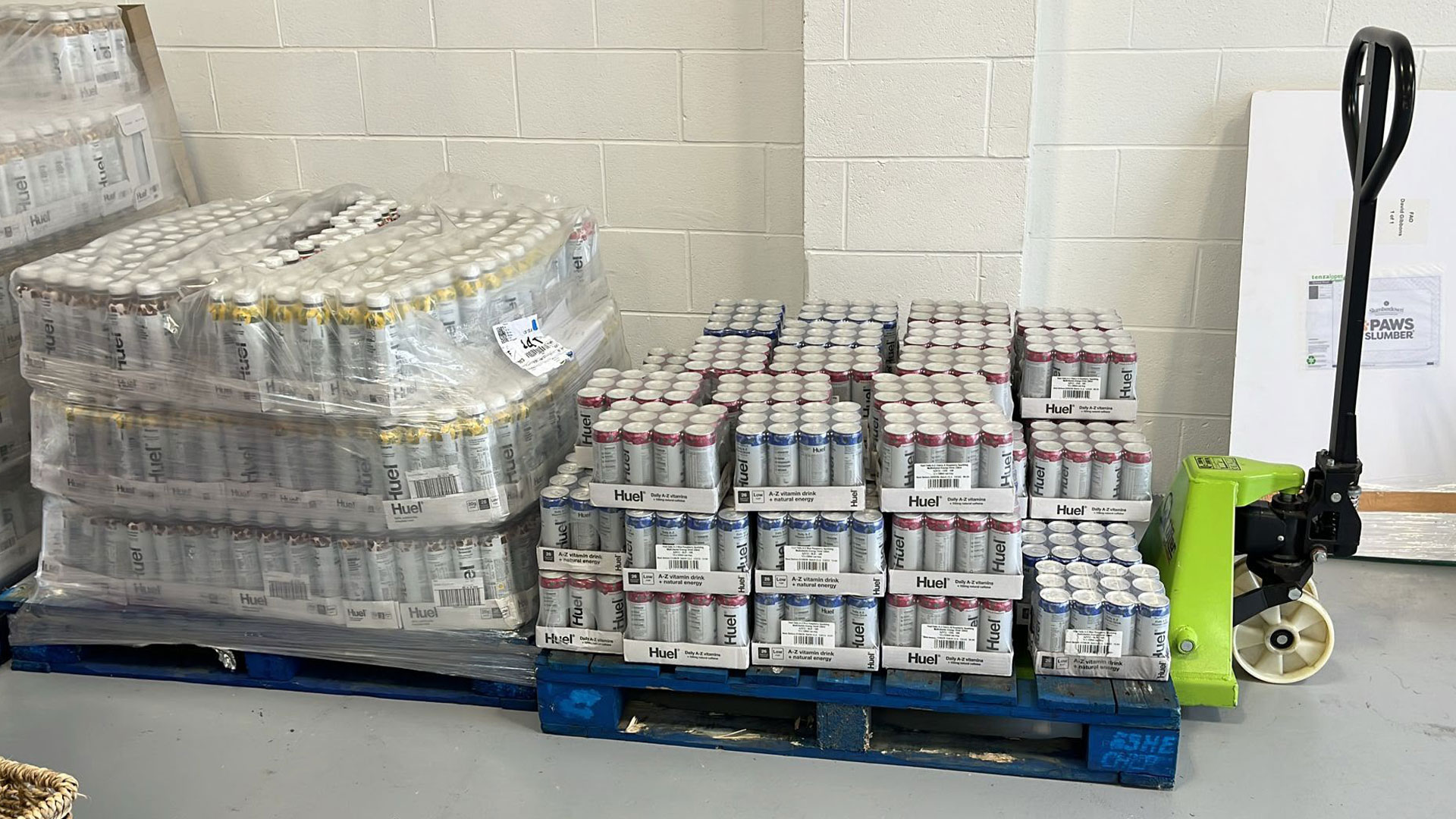
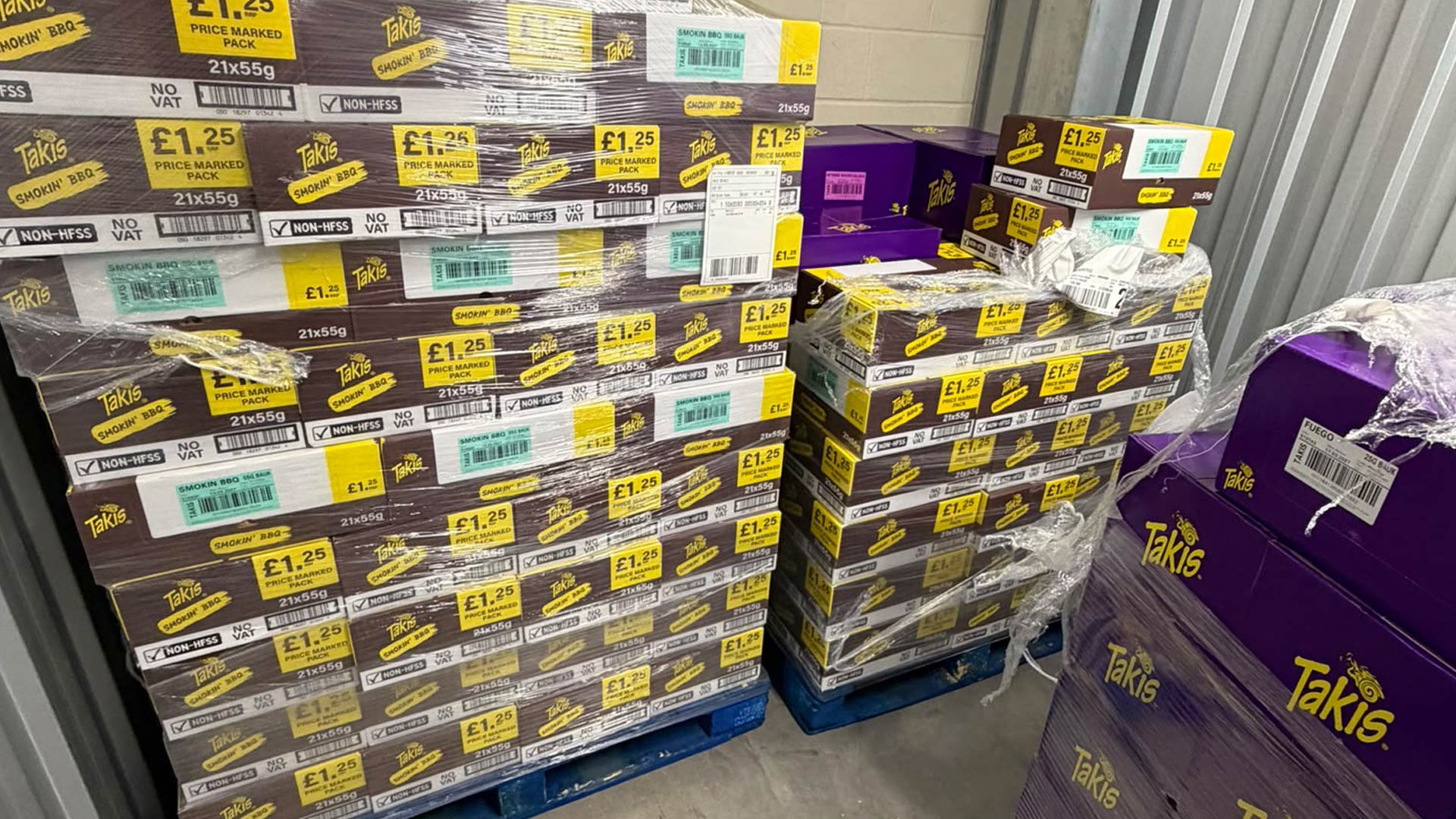
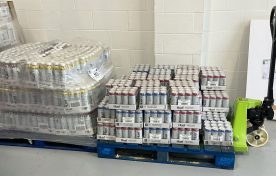
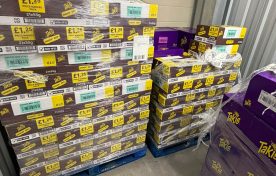
- Surplus product goes to Leeds North & West Foodbank: campaign stock that can’t be carried forward is channelled to Leeds North & West Foodbank (registered charity 1162983), which gave out 18,503 three-day emergency food supplies to people in crisis in 2025. Since 2022 we have redirected more than 25 pallets of non-perishable, tinned, pre-packed and ambient surplus product through this route. Foodbank-safe stock, properly documented, that would otherwise have been written off. Live marketing surplus becomes emergency support in our home city, not landfill.
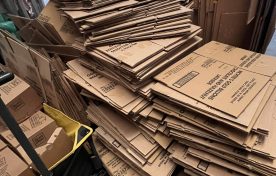
- A standing weekly waste contract with an accredited waste partner: our sites, workshop and campaign waste is collected and processed under a contracted schedule by Premier Waste Recycling, a licensed recycling and waste management company with facilities in Leeds.
- Consumables recovered: unused serving materials and kit are collected, stored in our own facilities and redeployed on the next campaign wherever possible.
Sustainability reporting.
Sustainability claims are only worth what we can measure and report to our clients. Alongside the campaign reporting every iMP activation delivers, we can report on the environmental execution of your tour if you need it.
- Material breakdown – what your samples were served in, with sourcing documentation
- Route and mileage data – vehicle movements, so emissions claims are calculable, not asserted
- Surplus outcome – where leftover product and materials went
- Waste audit trail – licensed disposal records for anything that couldn’t be redistributed or reused
So the big question… is product sampling bad for the environment? We’ve written a little article on our blog page which hopes to answer that question.
-
Not structurally. Eco serving materials and efficient routing are our defaults, so they’re priced into campaigns as standard rather than charged as a premium. Where a genuinely bespoke sustainable build costs more than a disposable equivalent, we’ll show you the trade-off including the reuse value across future campaigns.
-
In most categories, yes, but it’s honestly tricky. Tell us the target in the brief and we’ll scope materials, formats and suppliers to meet it and flag early where the product or venue rules make it genuinely impossible. The cost to create entirely plastic-free campaigns is more than a typical brand activation were sustainability isn’t a key metric, but it’s do-able.
-
Sampling puts your brand’s environmental choices directly in the shopper’s hand. 62% of UK consumers say sustainable packaging increases their trust in a brand, more than a third have switched brands over packaging concerns and 55% say sustainability matters more to them than it did a year ago (Pro Carton 2026 UK survey). Meanwhile, over 70% of UK adults think brands often look greener than they really are (Mintel). A sampling tour is your most public, most photographable environmental statement: the materials, the vehicle, the surplus are all visible. Done properly it builds trust; done carelessly it undermines the product in the frame. And with 71% of UK consumers only buying sustainable options at price parity (Pro Carton), the answer isn’t premium eco add-ons, it’s sustainability built into the campaign at no extra cost. Which is how we run it.
-
Switch the serving materials. The cups, spoons, sachets and wraps are the most visible environmental decision in a sampling campaign. Ease of recycling is the number one packaging attribute for UK consumers, ahead of price-marked features and reseal-ability (Pro Carton 2026). And it’s usually the cheapest swap in the whole brief. Moving from standard single-use plastic to compostable or widely-recyclable alternatives typically changes campaign cost by pence per sample. Two more quick wins that cost almost nothing: consolidate stock onto already-planned routes instead of ad-hoc deliveries and agree a redistribution home for surplus product before the campaign starts rather than after it ends. Do those three and the majority of a typical campaign’s visible footprint is addressed before anyone mentions carbon offsetting.
CLIENT TESTIMONIALS
David and team at iMP are the real deal - kind, personable, dependable, professional, and offer a craftsmanship that rivals any agency I've encountered in my career. We will absolutely be using iMP again for any future UK activations (if they will have us) and highly recommend for any companies seeking an incredible experience - ESPECIALLY if you're a US-based team like us, and need an expert on location.
Brand Director
Life360
Had a wonderful experience working with David and the whole iMP team for an event this summer! David went above and beyond to help wherever possible and the branded ice cream van turned out beautifully. Hope to work with iMP again soon!
Brand Manager
ETTG
We worked with iMP for our event stand and staffing of the Ideal Home Show. David and the team were fantastic, our stand was incredible and we had so many compliments on it. The staff were great, they are really high energy and engaged our consumers at the stand. I would highly recommend if you are looking to run any sampling or experiential events for your brand.
Brand Manager
Snuggledown
Hiring iMP for an event I was leading on for a new client was a great decision. They turned around a high quality sampling event and promo vehicle with a very short turnaround time, and their staff on the day were incredibly enthusiastic and professional. They made the process easy and the client very happy, we'll definitely be working with them again.
Brand Director
Lee Kum Kee
Ready to make your brand unforgettable?
Whether you need to scale up a nationwide sampling roadshow, build a high-concept pop-up environment, or hire fully wrapped promotional vehicles, our strategy team is ready to map out your campaign.