What Services Do Pop-Up Experience Agencies Offer?.
As one of the leading pop up experience agencies in the UK, iMP Experiential talks about the services it provides and what’s required to design and create a pop up brand activation.
Pop up agency services – what to expect.
In a landscape dominated by digital ads and online feeds, temporary physical activations have become one of the most direct ways for brands to make a lasting impression. Pop-up experience agencies like iMP Experiential specialise in bringing these moments to life, managing every detail from the initial creative concept to the final post-event report. Rather than simply renting a space and setting up signage we provide a full suite of services that combine (as a basic overview)
- creative strategy
- physical design & build
- complex logistics (install & derig)
- staffing
- site booking & management
- data analysis
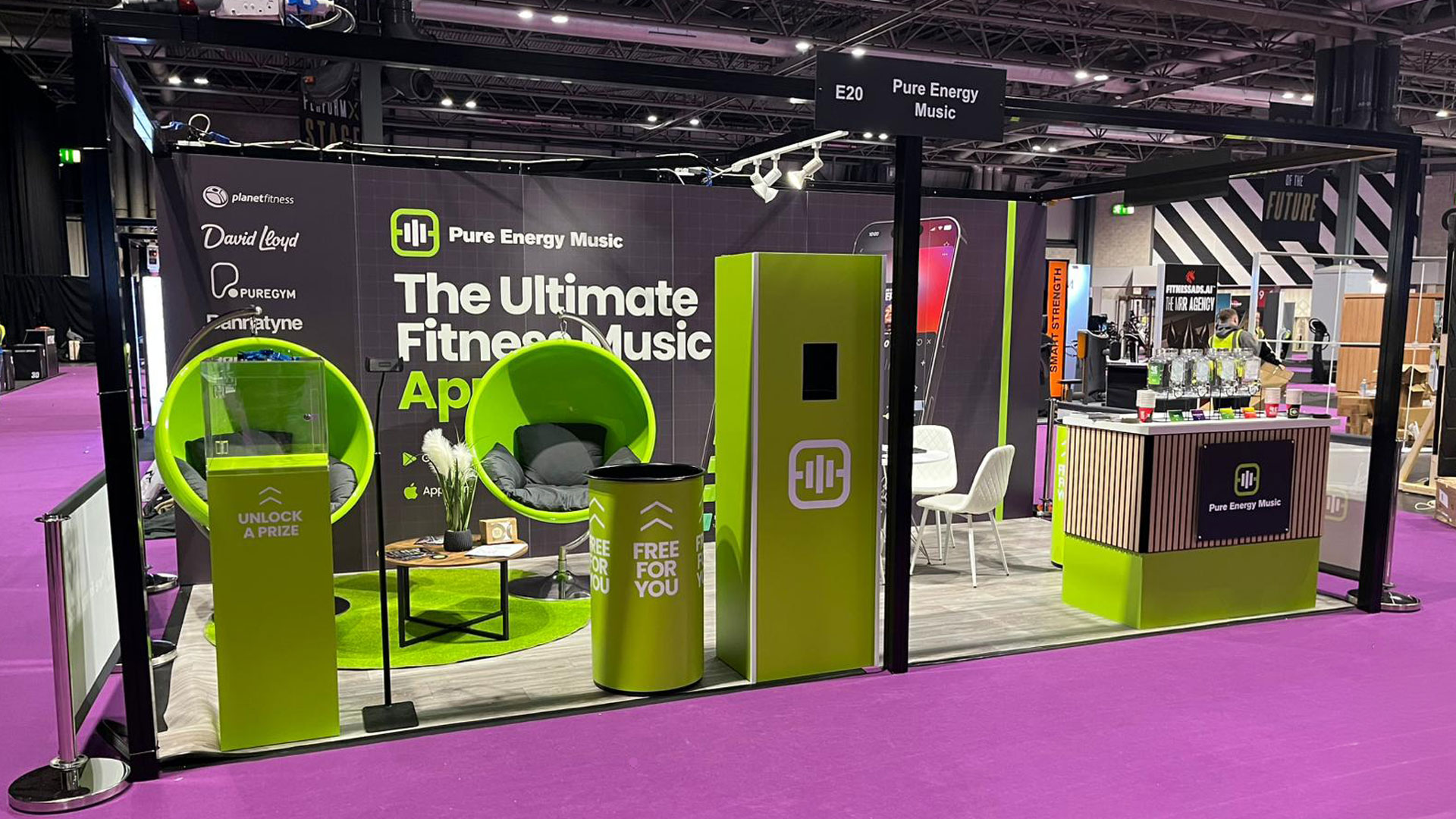
Pop up agencies creative strategy.
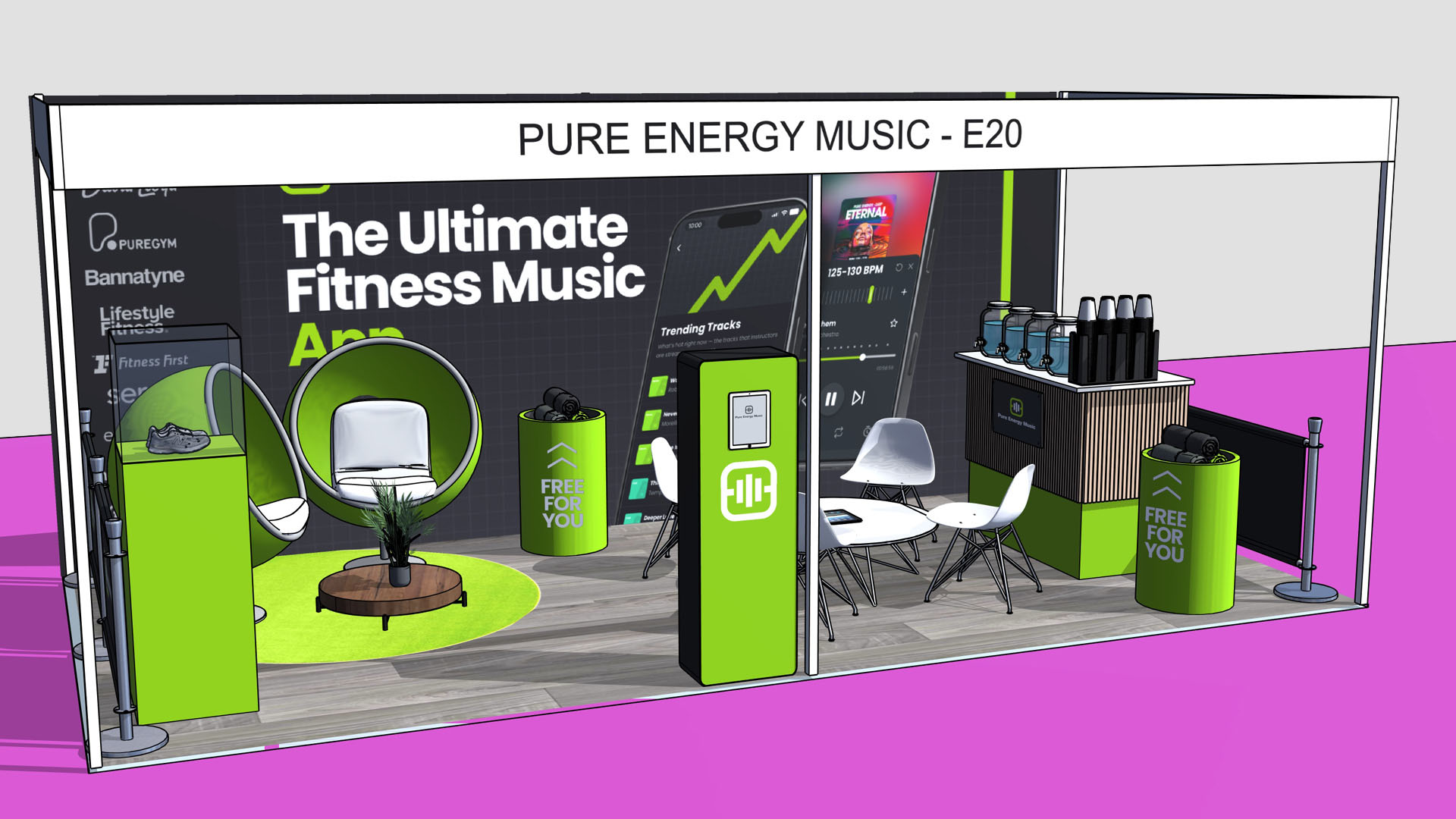
Every successful activation starts with a strong concept. Pop up experiential agencies begin by working with a brand to define the core narrative and objectives of the physical space. This phase involves creating visual mood boards, initial 3D renderings, and thematic directions that reflect the brand’s identity. At the same time, agencies establish clear performance metrics, mapping the creative concept directly to goals such as product awareness, direct retail revenue, or social media reach.
Crucially, strong creative strategy relies on keeping the consumer journey realistic and friction-free. In a recent industry discussion about pop ups on Reddit, experiential strategy insider David-Experiential shared a perspective on what makes pop-up concepts work:
“Complexity is not key – keep the pop-up simple. Consumers have other things going on in their lives; they don’t wake up wondering what activations they’ll see today. By keeping it simple, the message actually cuts through.”
Agencies design their initial concepts around this principle, ensuring the experience delivers an intuitive, memorable interaction rather than overwhelming visitors.
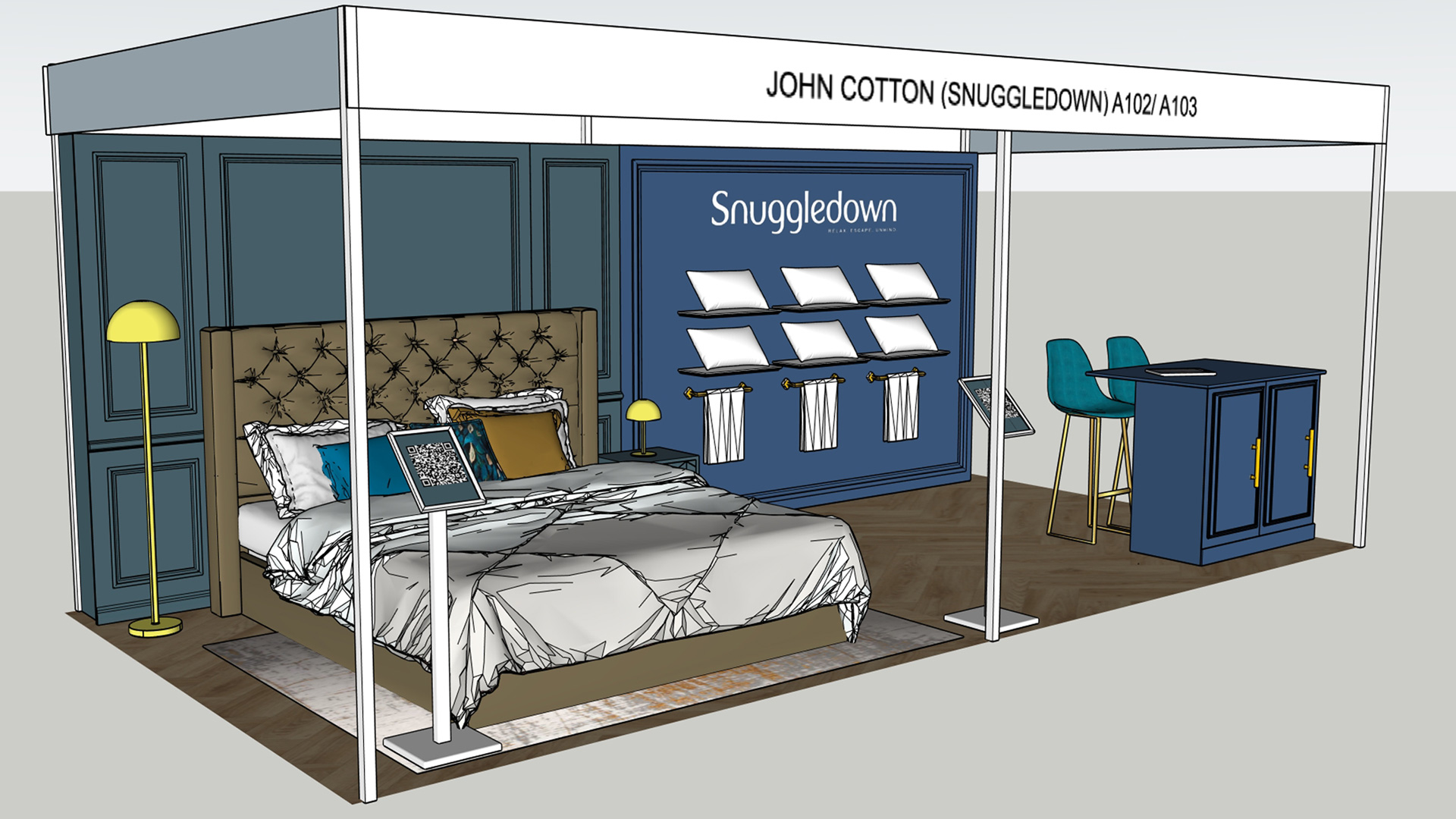
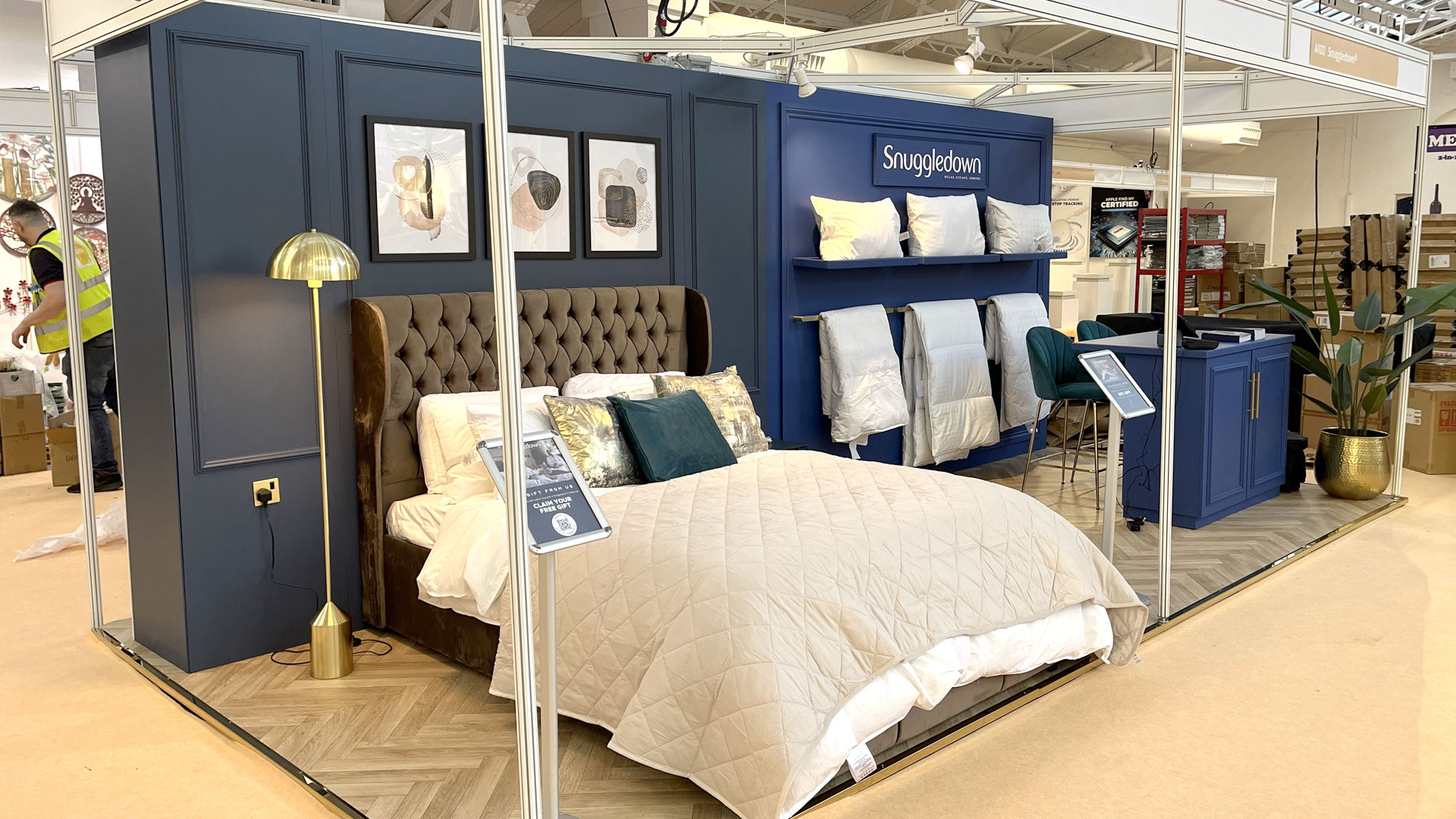
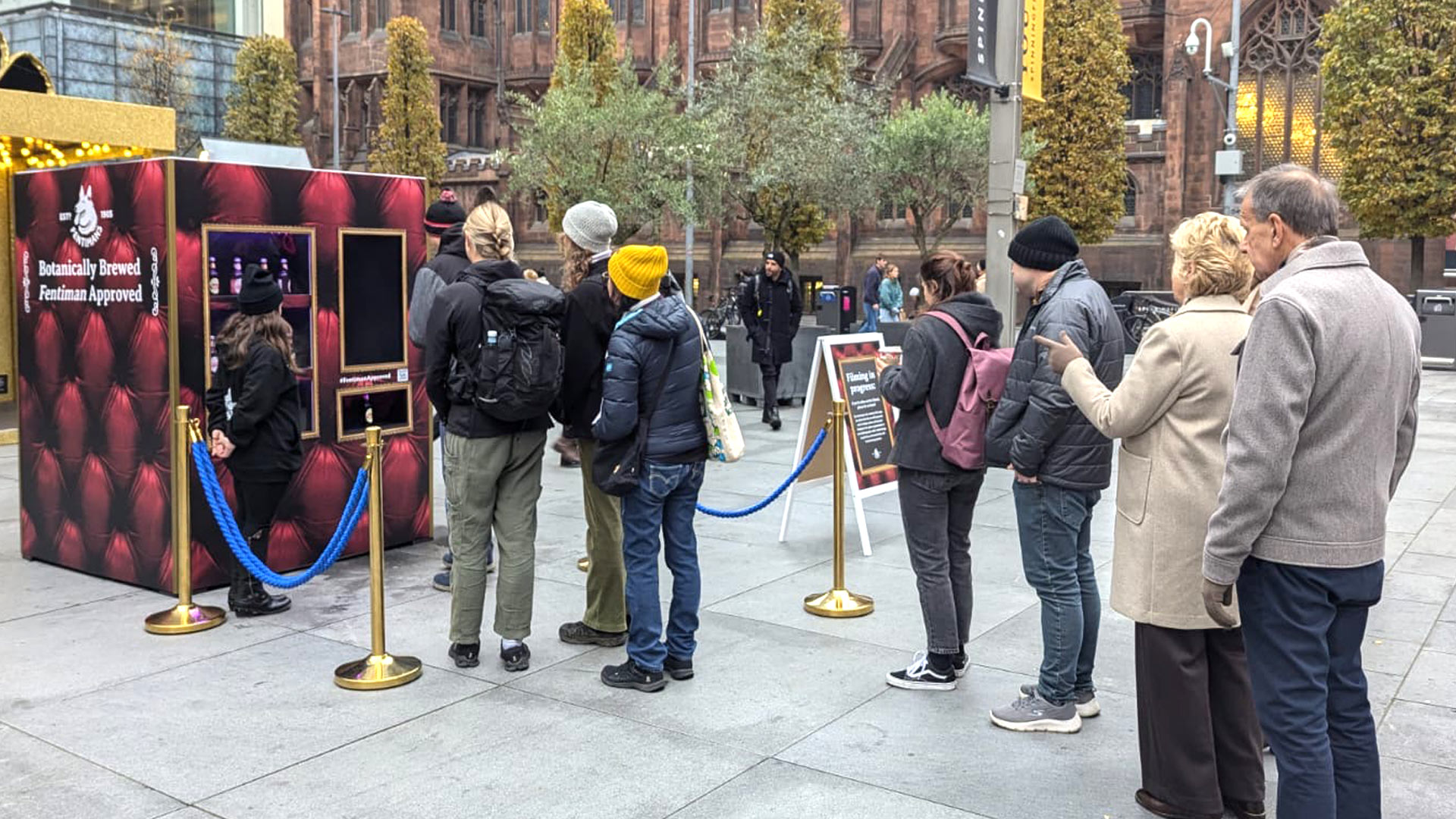

Site research, permits & logistics.
Securing the right location requires more than just finding an appealing storefront. Agencies handle the full logistics of location scouting, evaluating foot traffic patterns, footfall demographics and venue layouts. Beyond securing the site, they navigate the legal complexities of temporary activations. This includes negotiating short-term leases, securing event site permits, arranging liability insurance and ensuring the space meets local health, safety and accessibility regulations.
Pop up design, build & tech.
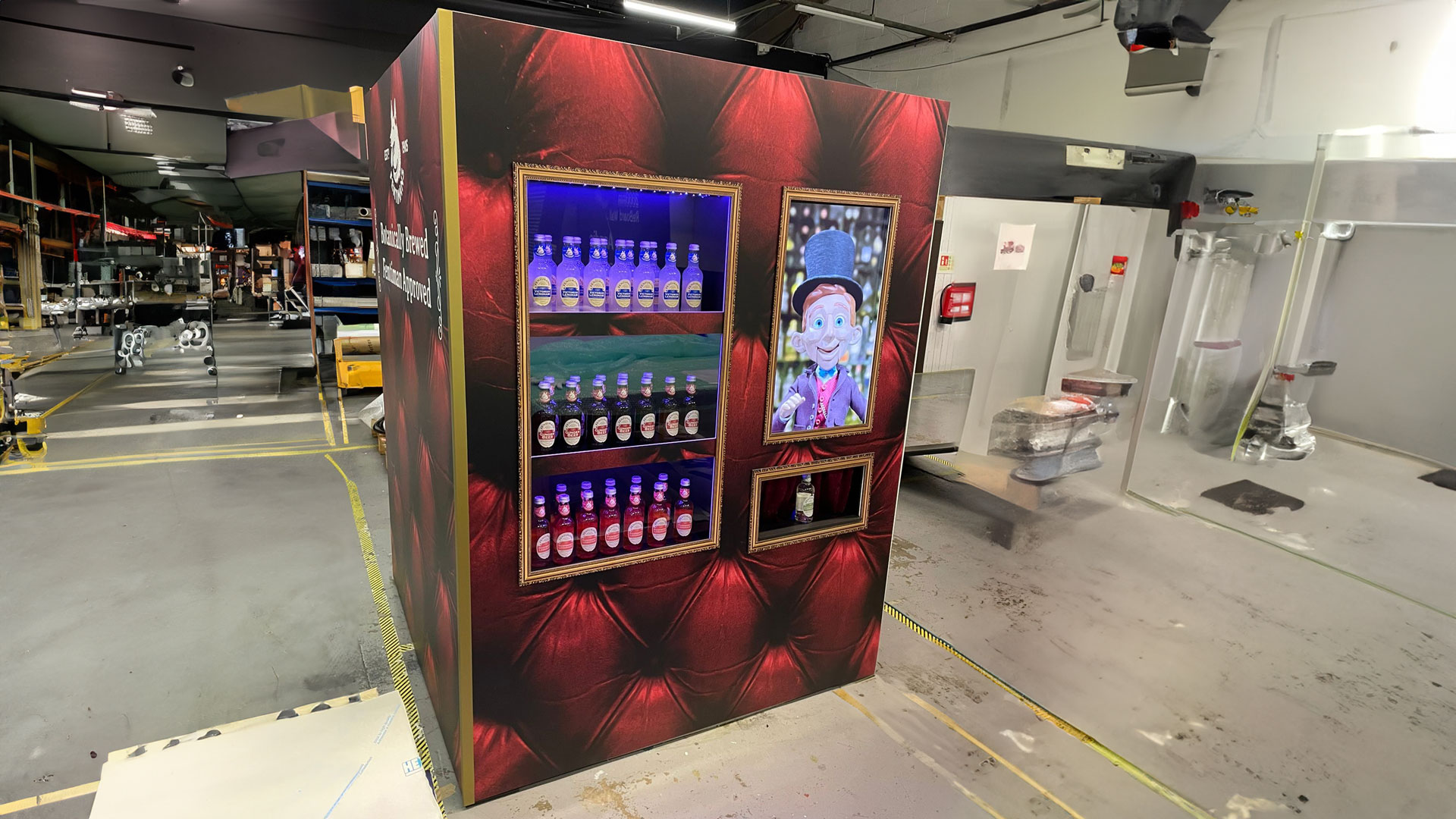
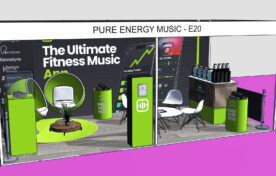
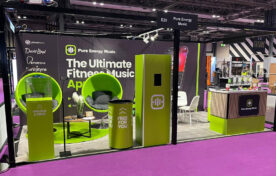
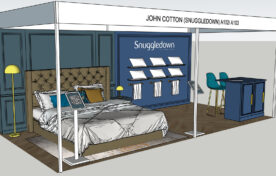
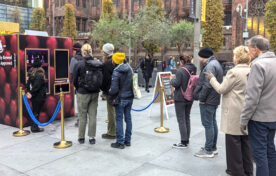
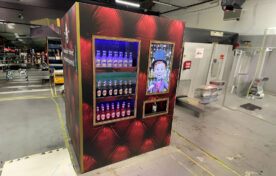
Transforming a bare room, a shopping centre promotional space or an empty city square into an immersive brand environment is often the most intensive part of the process. Agencies manage the full physical pop-up design and build, working with designers and fabricators to construct custom set pieces, product displays and spatial layouts. They also handle the technical infrastructure, installing specialized lighting, sound design, temporary point-of-sale systems and interactive technology such as QR codes, digital screens or digital photo experiences.
Event staffing and event management.
The ongoing success of a pop-up depends heavily on the bran ambassadors running the floor. Agencies recruit, train, and manage brand ambassadors and host staff to ensure they accurately communicate the brand’s message and manage visitor interactions smoothly. Behind the scenes, agency teams oversee day-to-day operations, managing crowd flow, monitoring inventory, coordinating daily schedules, and directing the final load-out once the run concludes.
Promotion and public relations.
To ensure strong attendance from day one, agencies build targeted promotional strategies around the activation. They often coordinate media previews and VIP launch events for influencers and press prior to the public opening. Additionally, they execute localised marketing campaigns, using geo-targeted digital promotion and social teasers to drive foot traffic throughout the duration of the event.
Analytics, reporting and post-event strategy.
The value of an activation continues after the doors close. Agencies gather and analyze data throughout the event to measure overall impact. They track foot traffic numbers, average visitor dwell times, direct sales, and digital engagement generated by the experience. This data is compiled into a post-event report that provides brands with actionable insights to inform future marketing strategy and product launches.
Discuss your pop-up campaign.
Get in touch using the contact form or email us at hello@iamimp.com.
-
The most common mistake is over-complicating the experience. Brands often try to pack too many messages or complex steps into a single interaction. Successful pop-ups lean into one clear, friction-free creative idea that respects the consumer’s time while delivering a memorable tactile moment.
-
The physical event is just the entry point. Agencies design explicit bridge mechanics into the experience to keep consumers engaged long after they leave the space. This includes digital lead capture, instant bounce-back offers for e-commerce or retail, custom QR mechanics, and shareable photo or interactive moments that turn attendees into organic brand advocates online.
-
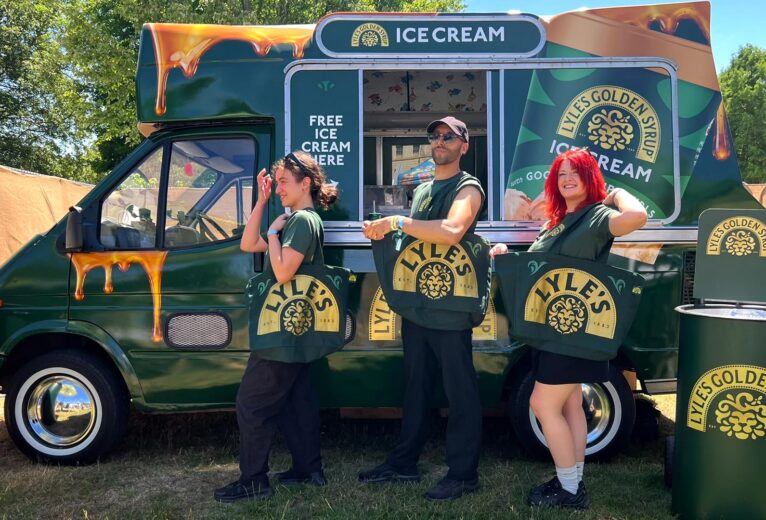
Agencies handle both static physical builds and mobile activation tours. For multi-city campaigns, agencies design modular, transportable setups or utilize specialized sampling vehicles that can be deployed across multiple high-footfall city centers without having to build a new space from scratch every time.
-
A great agency doesn’t just build a space and hope people walk in – they actively engineer footfall and adapt in real time. If initial turnout is lower than projected, agencies deploy agile tactics like shifting brand ambassador teams to nearby high-density footpaths, running hyper-local geo-targeted digital ads or adapting on-site incentives to draw immediate crowds.