The resurgence of nostalgia brands and why they’re winning.
There’s something powerful happening in branding right now. Something emotional. Something real. We’re witnessing a full-scale resurgence of genuine nostalgia brands; the ones with roots, stories, scars, and decades of cultural memory baked into their DNA.
And it’s no coincidence. At a time when audiences are drowning in disposable products and shallow digital noise, heritage brands feel safe, grounding, and authentic. They carry lineage. They remind us of who we were and, maybe more importantly, who we still want to be.
But here’s the truth no one wants to admit:
You can’t fake nostalgia.
You can’t photocopy heritage.
You can’t slap an old badge on a new product and hope people don’t notice the difference (Ford, we’re looking at you).
Some brands understand this beautifully. Others… well, let’s talk about Ford.
But first let’s talk about the good.

The rise of real nostalgia brands.
Why are brands like Euthymol winning hearts again?
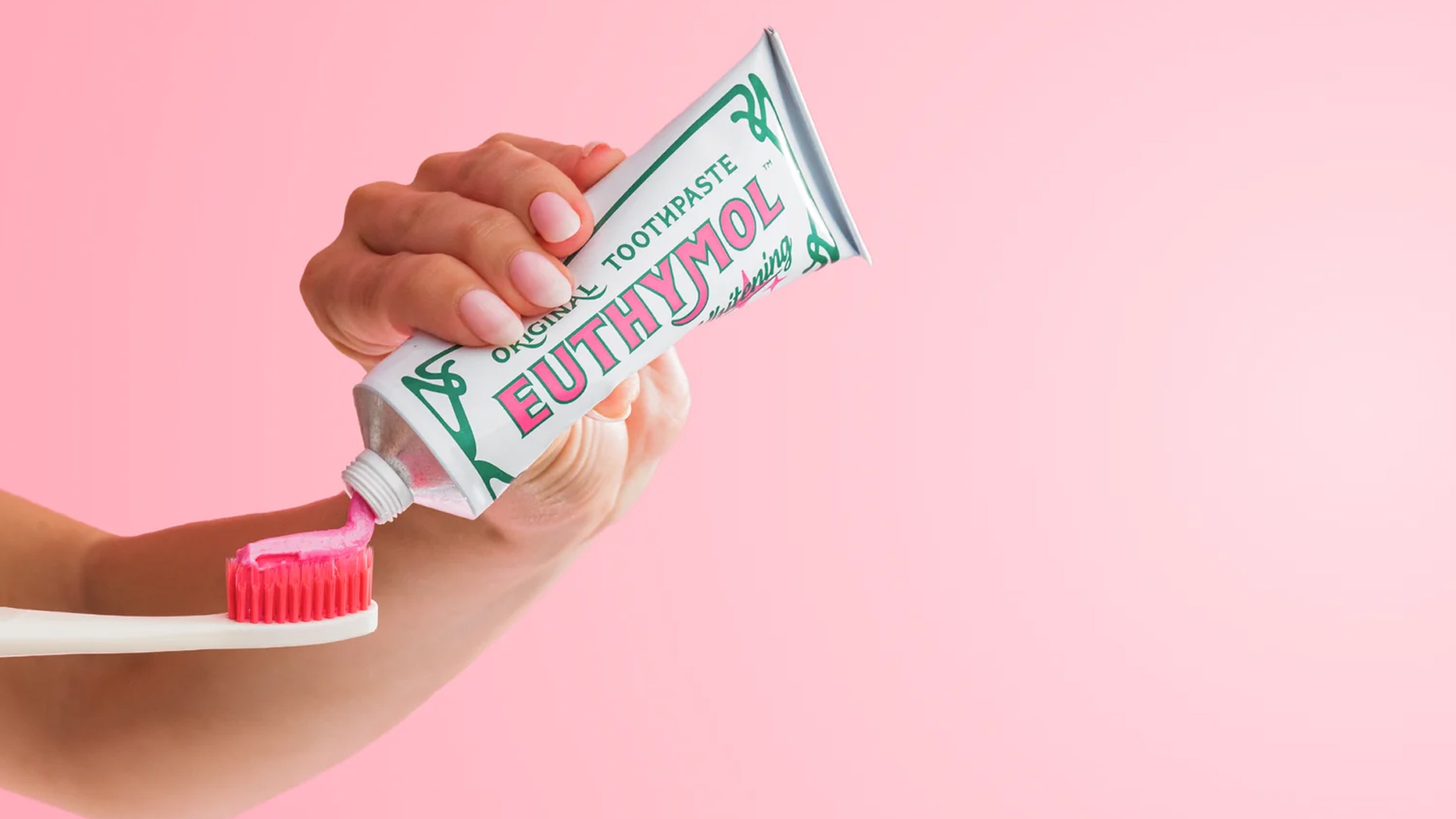
Euthymol is a perfect example of what happens when a heritage brand respects its own history.
It isn’t trying to be something it isn’t. It isn’t embarrassed by its quirks.
It wears its eccentric Britishness like a badge of honour — the flavour, the tin packaging, the heritage, the identity that’s stayed true for over 127 years.
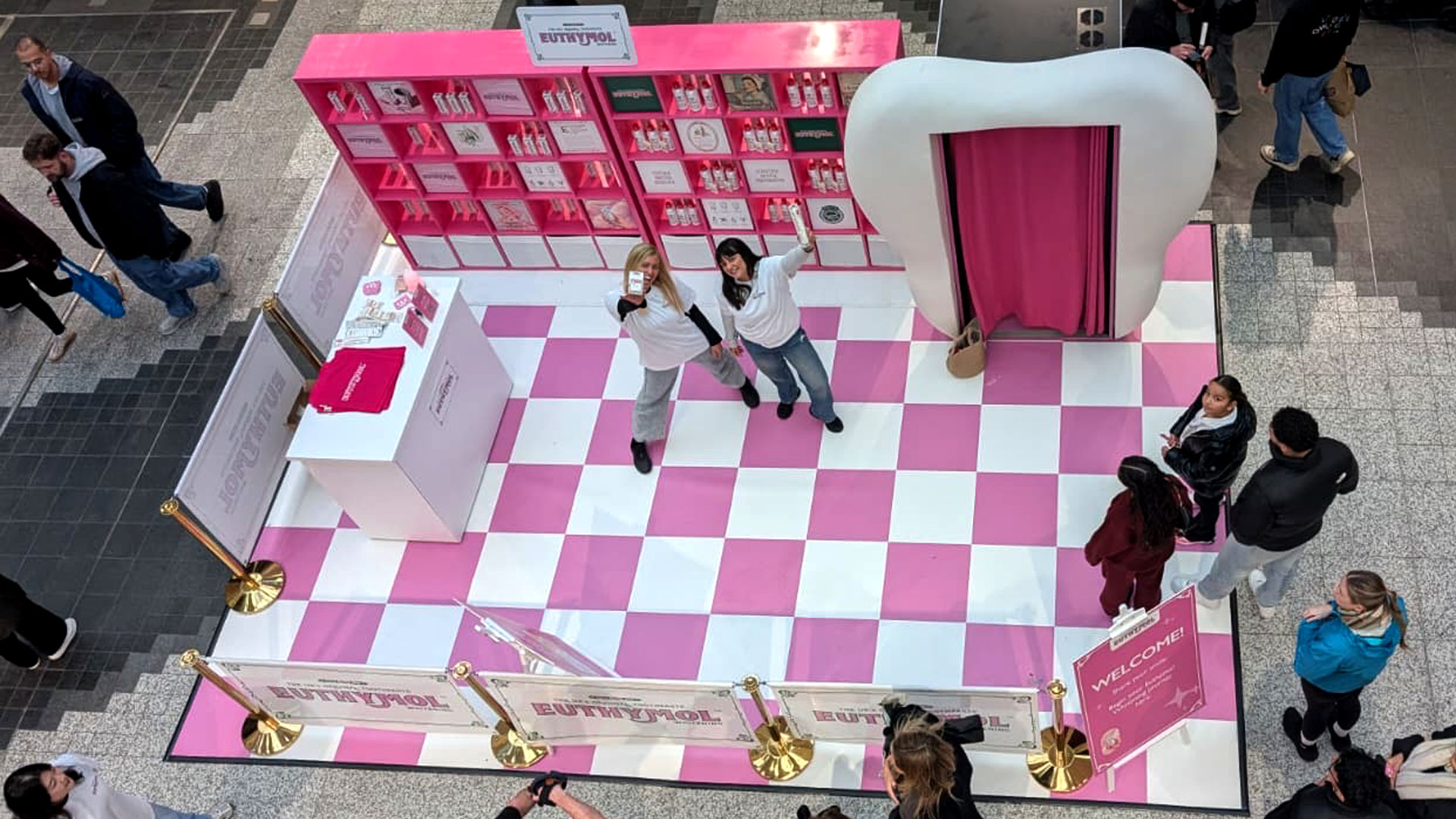
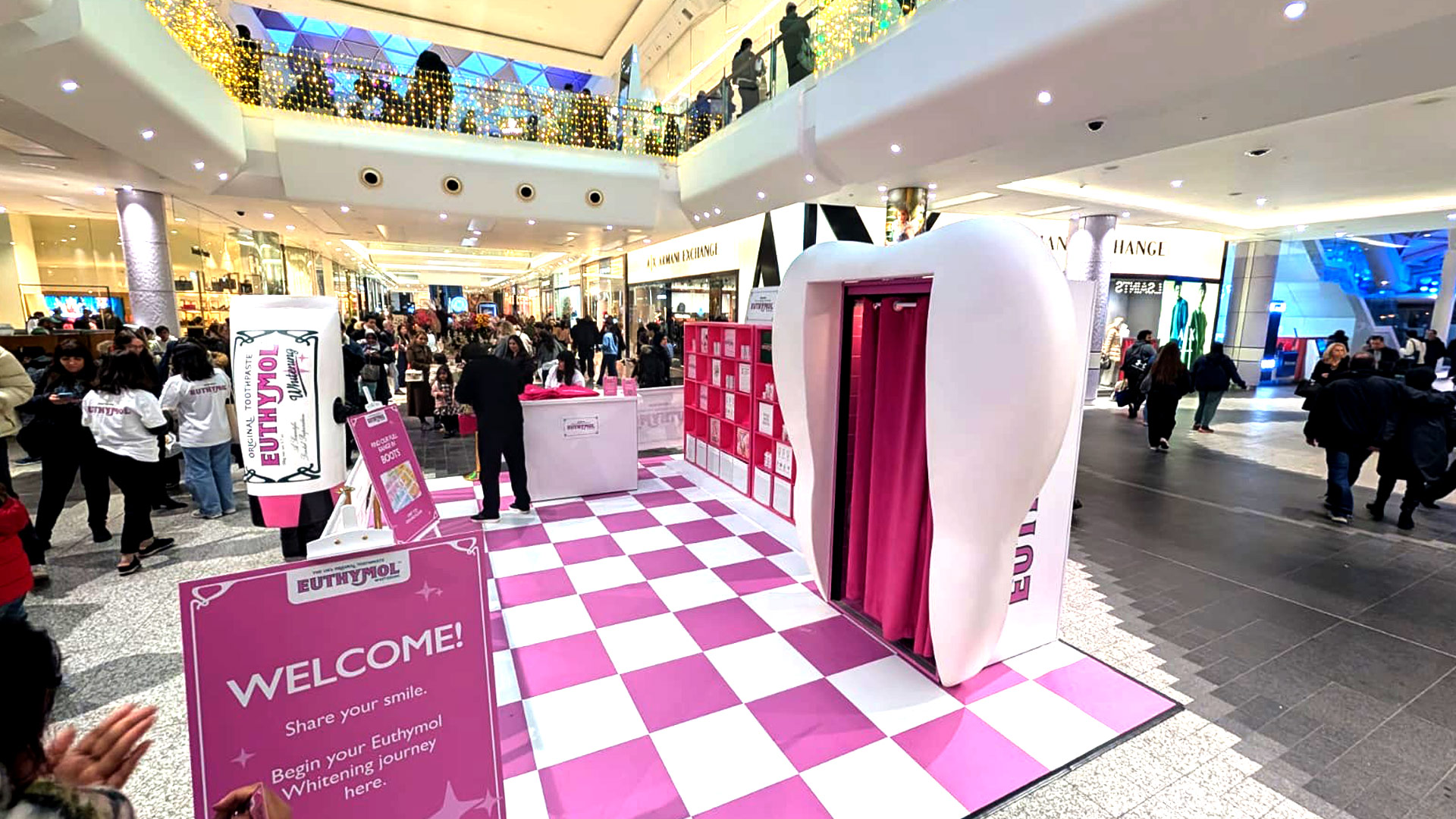
When we created the Euthymol experiential pop-up at Westfield, the public reaction proved what marketers have known for years but too often ignore:
Consumers want real brands.
You could see it on their faces; that immediate spark of recognition, the “I remember this!” moment that makes someone step forward, smile, engage, and reconnect. Heritage brands evoke not just memories but emotions. And emotion is the single most powerful force in marketing.
Nostalgia works because it’s genuine. Because it’s anchored in culture and personal history. Because it’s a thread that ties the past to the present in a way that feels comforting, trustworthy, and deeply human.
Where fake nostalgia goes wrong: The Ford Capri & Mustang Mach-E.
Wait… the Mustang-what-now? Now let’s talk about the flipside, namely the manufactured nostalgia that doesn’t just fall flat; it actively damages brand trust. Few examples illustrate this more clearly than the modern “Ford Capri” and the Ford “Mustang Mach-E.”
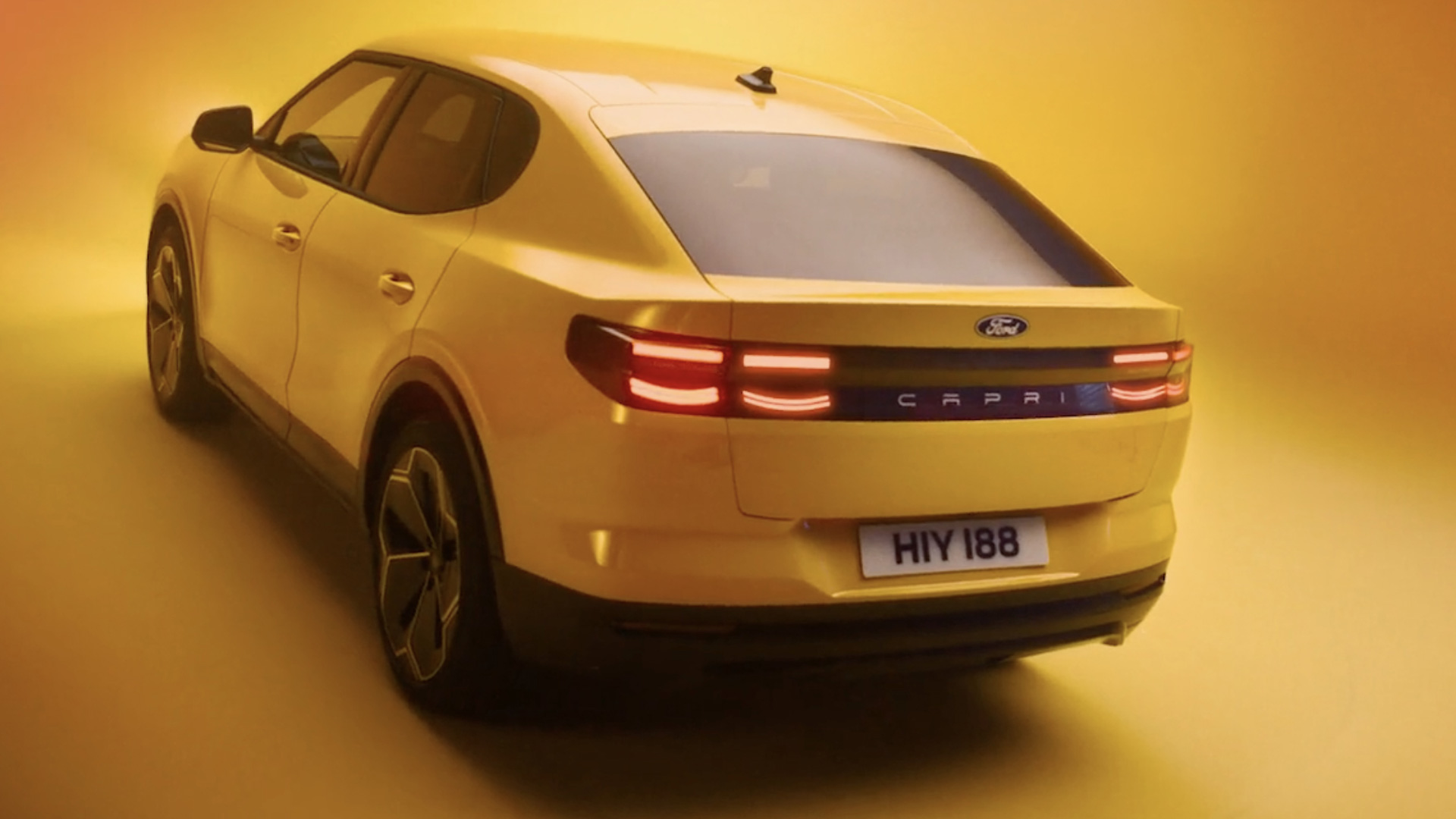
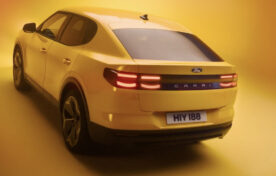
The Ford Capri (2024).
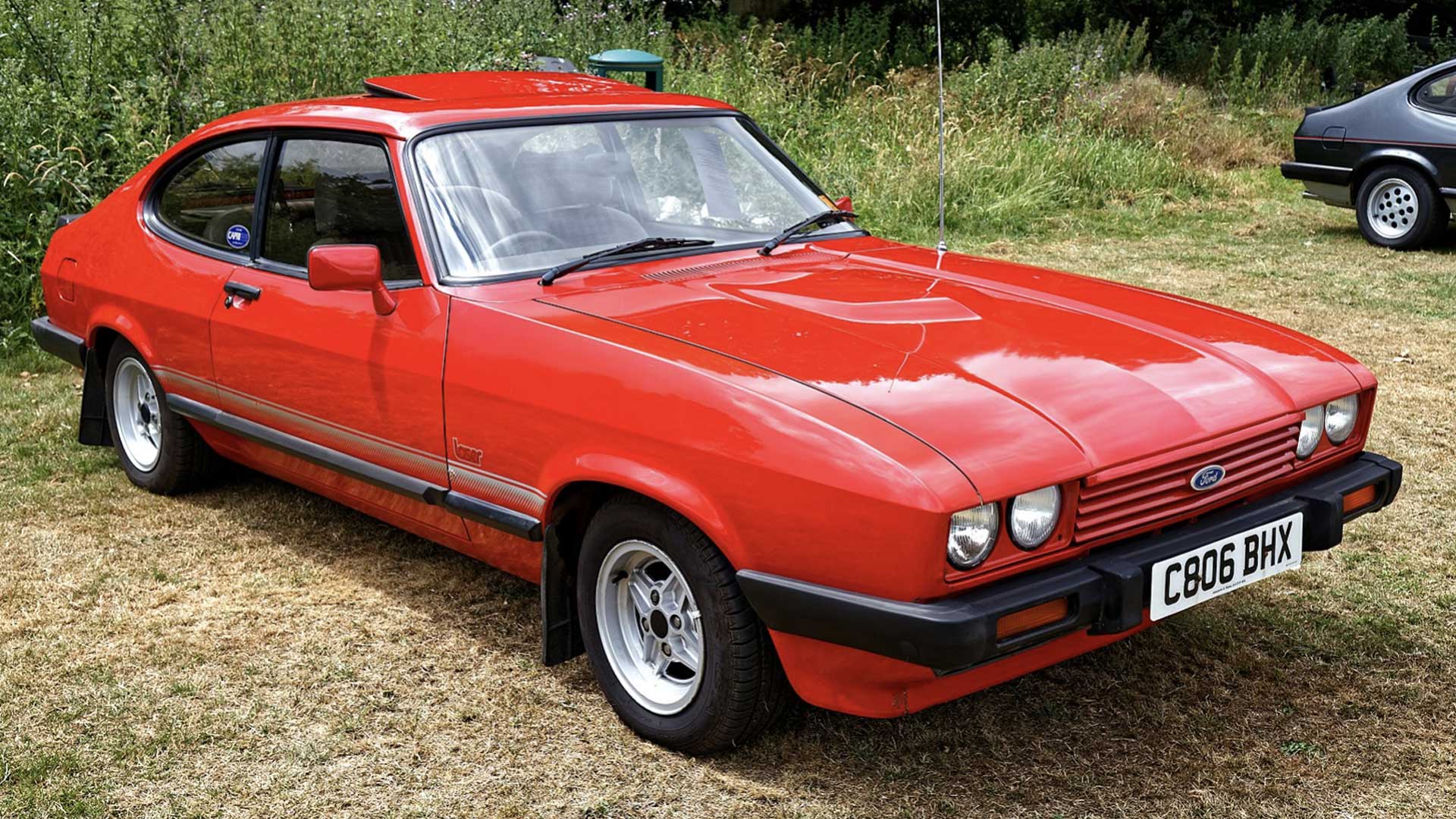
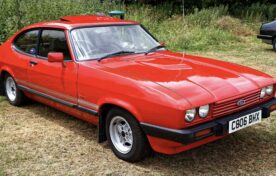
The original Capri meant something. It was the attainable sports car. Sleek. Characterful. Rear-wheel drive. A hero of British motoring culture. The 2024 version? A generic crossover wearing a Capri badge. It’s nostalgia cosplay and consumers can smell the inauthenticity from a mile away.
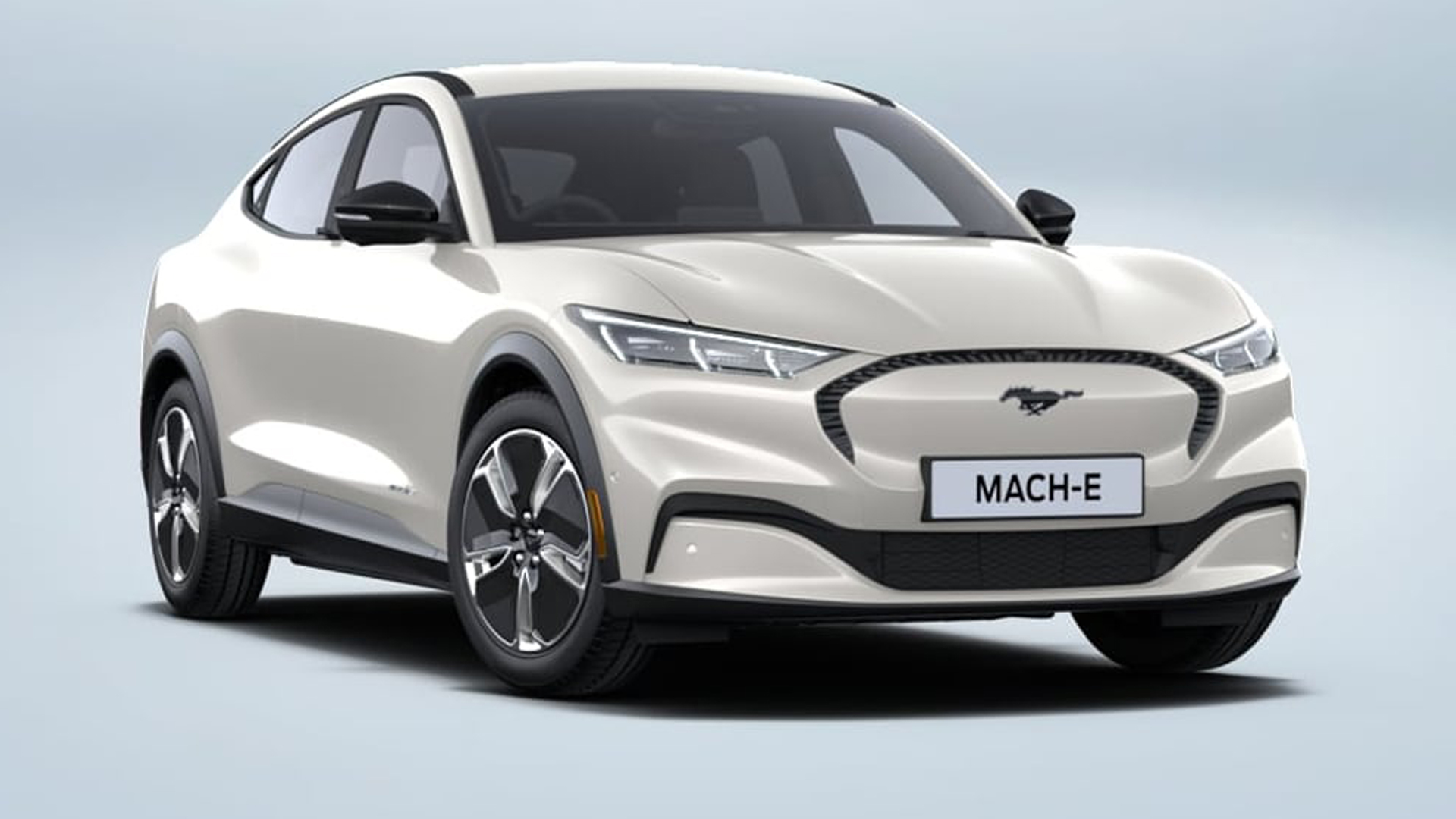
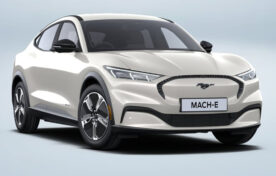
The Mustang Mach-E.
A Mustang should roar. It should have attitude, rebellion, and soul. Attaching that name to an electric SUV? It doesn’t evoke heritage, it erases it. This isn’t “reviving” nostalgia. This is borrowing the past because you don’t have confidence in the present. And people know it. These launches aren’t celebrated, they’re argued about. Mocked. Resented. Because misusing heritage doesn’t honour the past; it cheapens it.
The difference is authentic & experience.
The gulf between success and failure in nostalgia branding comes down to one word: Authenticity.
And this is where experiential agencies come into their own. When you bring a nostalgia brand to life through experience, you give people the ability to relive a memory with all their senses — not just read about it on a box. You create physical, emotional resonance.
Think about what Euthymol did at Westfield:
-
A giant hand-carved tooth sculpture
-
A physical photo booth you walk into
-
The unmistakable colours, textures, aromas
-
The retro aesthetic brought to life, not watered down
That’s how nostalgia works. It must be felt, not merely referenced. A true nostalgia brand stands proudly in its own story; it doesn’t dilute it, reinvent it beyond recognition, or pretend it’s something it never was.
Ford could have modernised the Capri or Mustang thoughtfully, respectfully, incrementally. Instead, they recycled the badge without the soul. That’s the difference between heritage and heritage-washing.
Why nostalgia brands matter now more than ever.
We’re living in a moment where consumers are more sceptical than ever. They’ve seen every marketing trick and they can identify pandering instantly. But nostalgia – real nostalgia – cuts through because it’s honest.
People don’t connect with a brand because it used to exist. They connect because it still means something. Brands that understand this like Euthymol, Barbour, Dr. Martens, and more are thriving. Brands that try to hijack nostalgia, without respecting the culture behind it, are falling flat.
Ready to bring your brand’s nostalgia to life with iMP by your side?
If the return of nostalgia gives you a unique opportunity to reconnect with consumers’ emotions, then iMP is the partner that will help you turn that opportunity into a full-blown, unforgettable experience. Whether you’re re-launching a classic product or referencing retro aesthetics, iMP’s proven expertise in experiential marketing means we’ll take care of the creative, the planning, the logistics — and deliver an event that taps directly into memory, emotion and brand loyalty.
If you want to explore how immersive marketing can revive your brand’s heritage with impact, check out our full experiential marketing services.
Ready to move beyond ideas and start building a live activation? Let’s talk about how our end-to-end event production can make it happen — see our Event Production services and get in touch.
-
Nostalgia brands are resurging because audiences are craving authenticity in a world where everything feels disposable and fast-moving. People trust products with a story — brands that carry memories, cultural relevance, and emotional familiarity. When a heritage brand stays true to its original identity, it becomes a comfort anchor in an overwhelmingly modern landscape. This creates a powerful emotional pull that new brands can’t replicate. The resurgence isn’t just sentimental; it’s psychological. Consumers gravitate toward what feels genuine, proven, and human.
-
Experiential marketing gives nostalgia brands the one thing digital campaigns can’t: a real, sensory encounter with the past made fresh again. When people step into an experiential pop-up or activation, they aren’t just reminded of the brand — they get to feel it. That emotional reconnection turns nostalgia into something active rather than passive. For brands like Euthymol, bringing their heritage to life through physical design, storytelling, sampling, and interaction transforms “I remember this” into “I love this again,” creating relevance for new audiences and rekindling loyalty in existing ones.
-
Nostalgia revivals fail when they rely on borrowed symbolism rather than authentic heritage. When brands simply slap an old name onto a completely unrelated product — as seen with the modern Ford Capri or the Mustang Mach-E — consumers immediately sense the disconnect. Successful nostalgia relies on respecting the original DNA: the design cues, the purpose, the emotion, the cultural meaning. When a brand honours its history and evolves it thoughtfully, the revival feels real. When it tries to manufacture nostalgia without authenticity, audiences reject it — not because they dislike reinvention, but because they dislike being misled.

