Why Pop Up Brand Experiences Are So Popular Right Now.
iMP Experiential’s take on why pop up shops and pop up brand activations are so popular in the experiential industry and how and why brands should capitalise on the trend this year and beyond.
Why experiential pop ups are so popular.
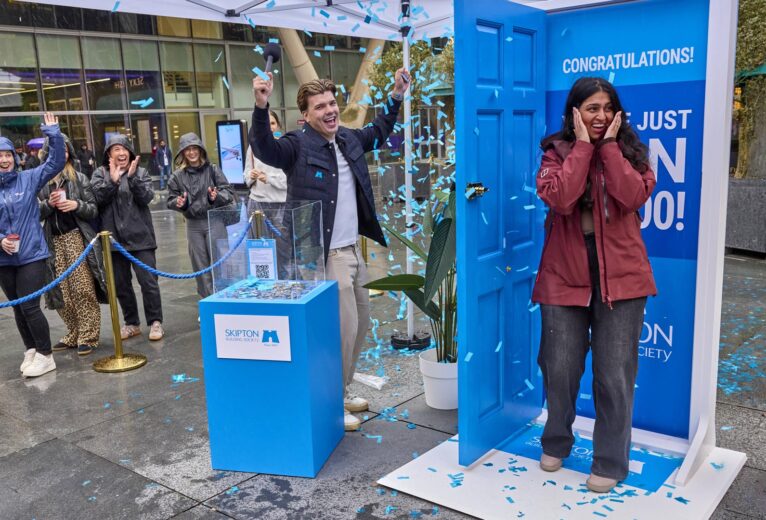
IRL (In Real Life) pop-up brand experiences are exploding in popularity because consumers are experiencing digital ad fatigue and actively seeking authentic, tactile, face-to-face interactions. By combining physical engagement with shareable social moments, pop-up activations allow brands to cut through online noise, build genuine trust, and drive immediate, trackable sales conversions.
While digital marketing channels have become increasingly crowded, noisy, and expensive, physical brand engagement is experiencing a major resurgence. Brands across every sector from food and beverage to FMCG, fintech and retail are shifting budget toward IRL (In Real Life) pop-up brand experiences.
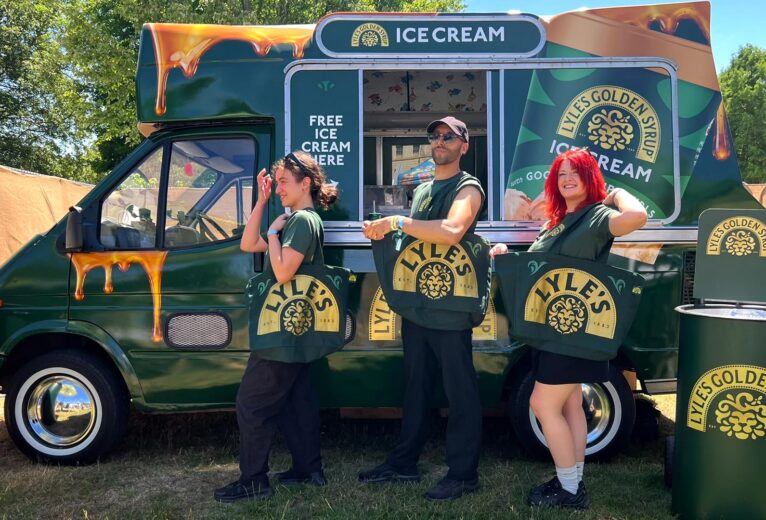
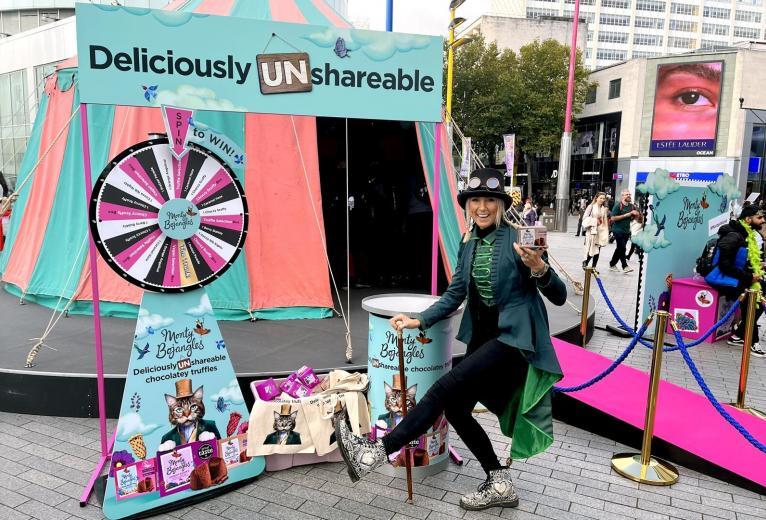
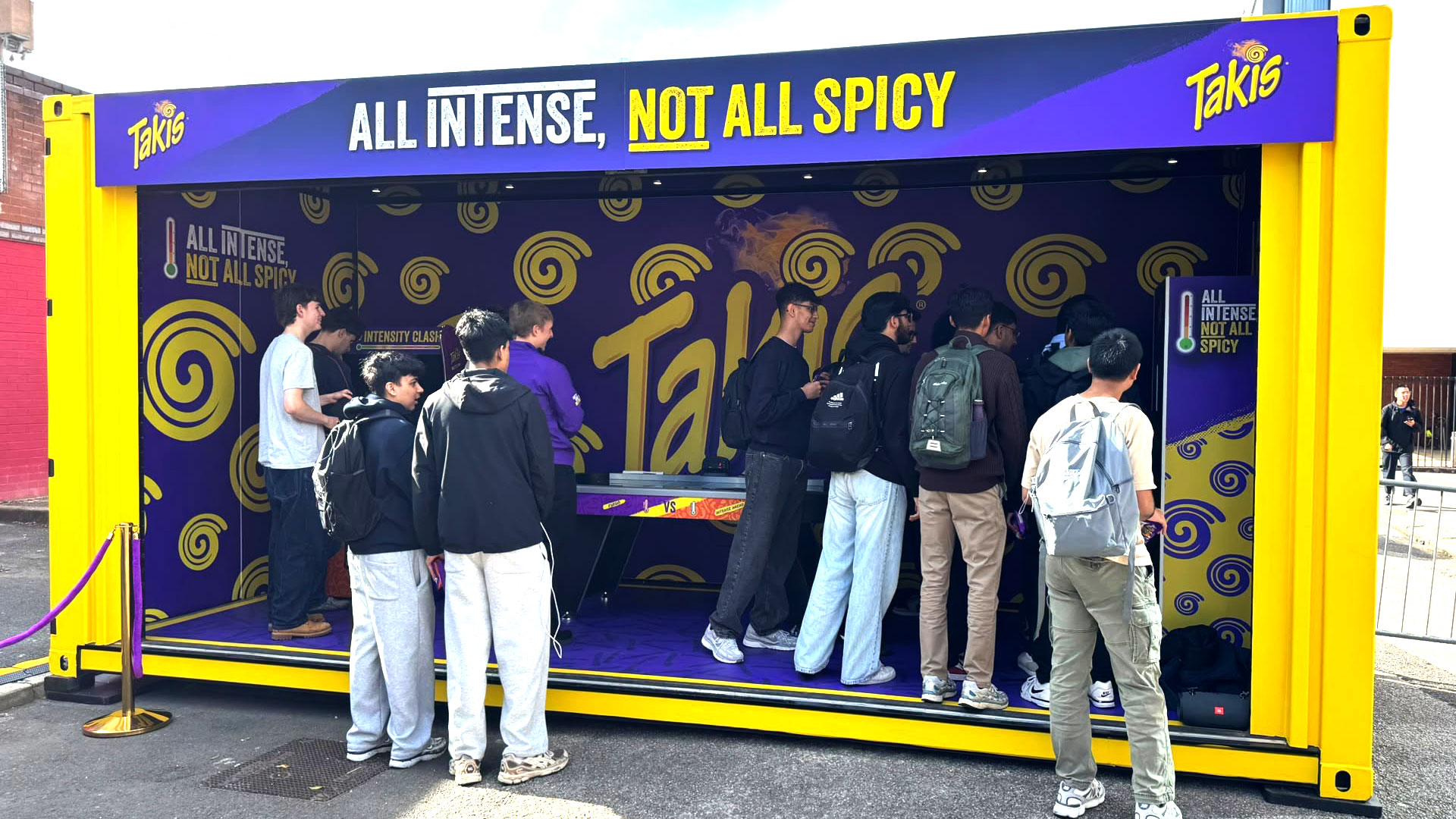
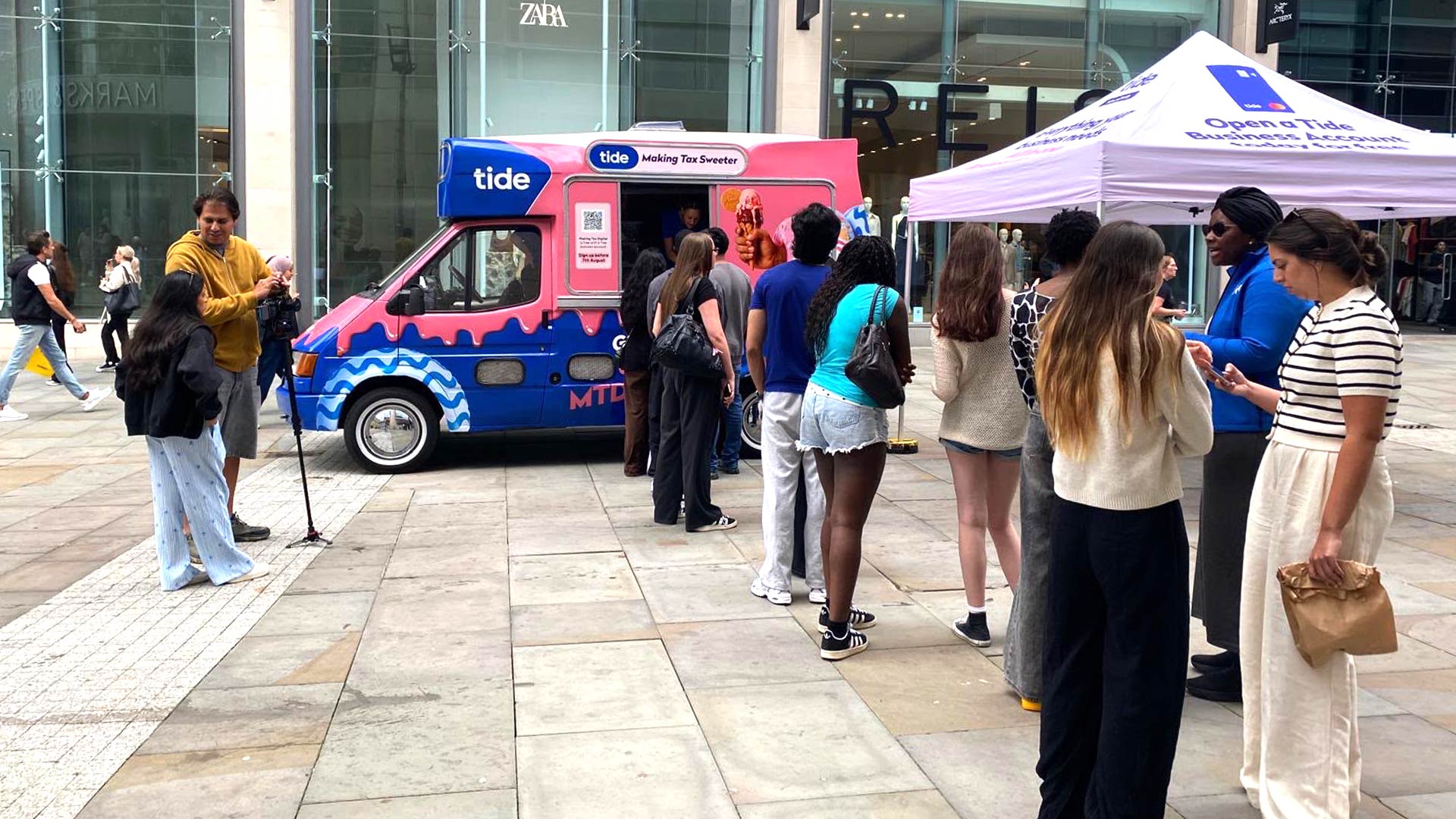
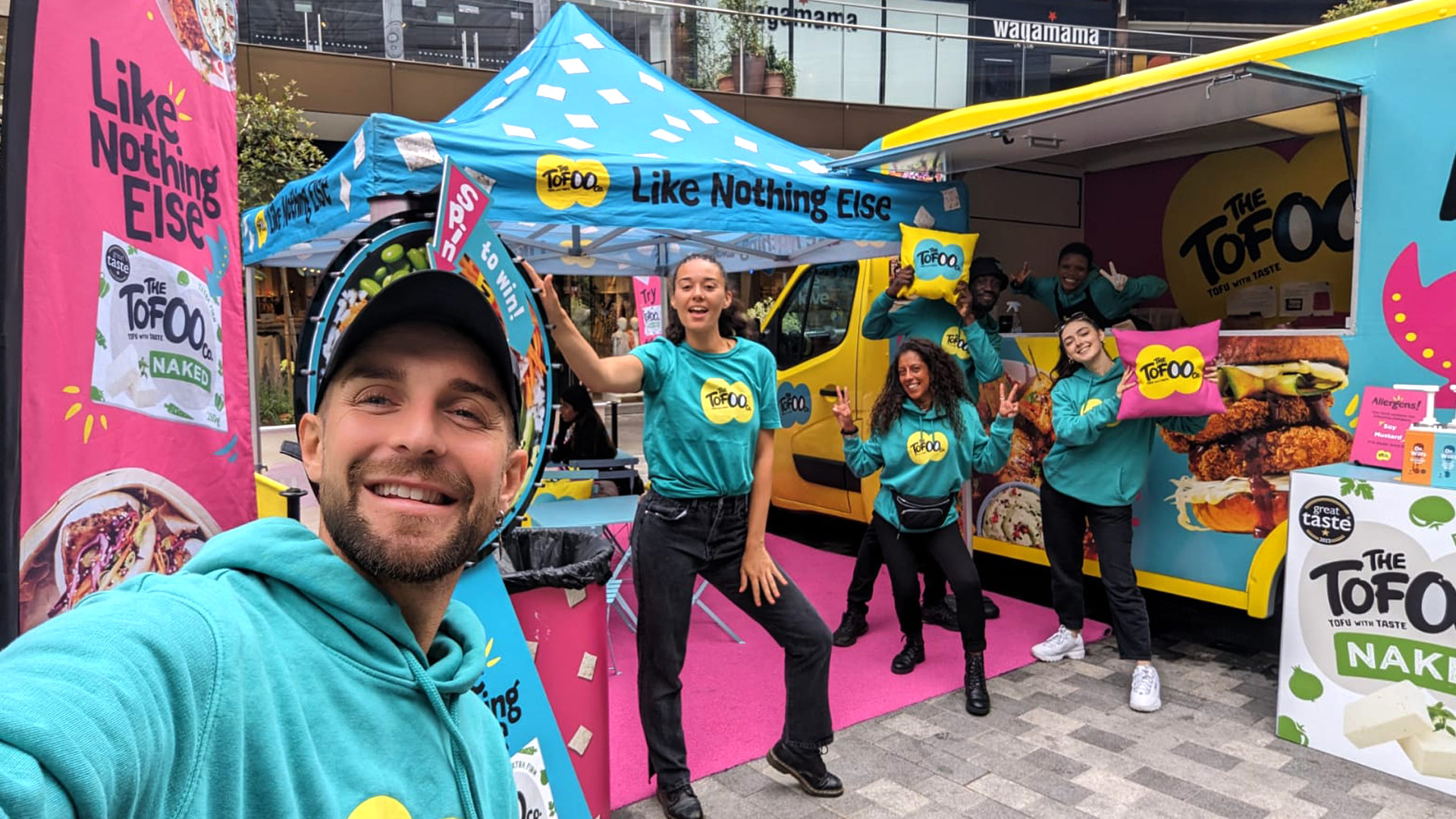
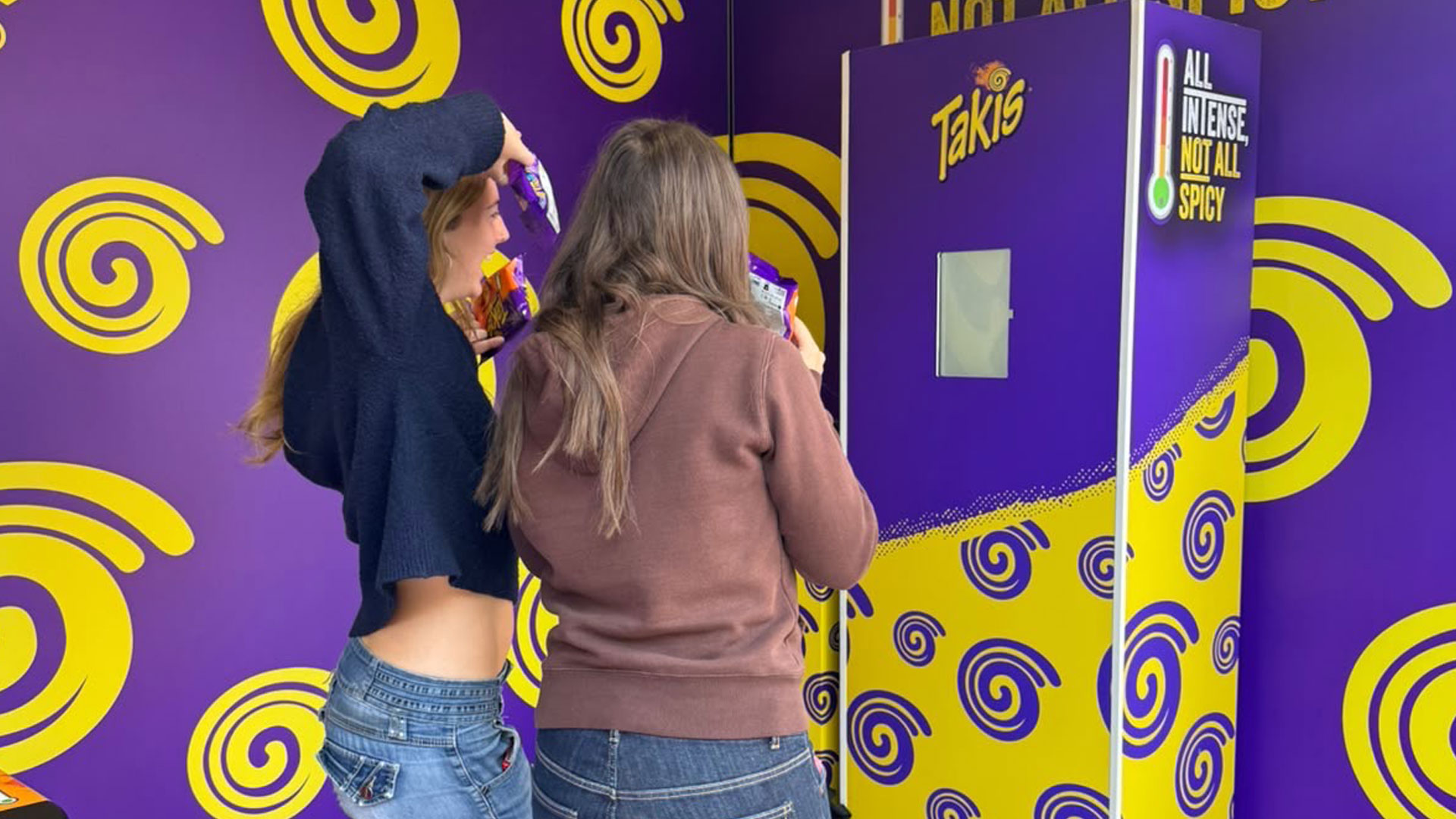
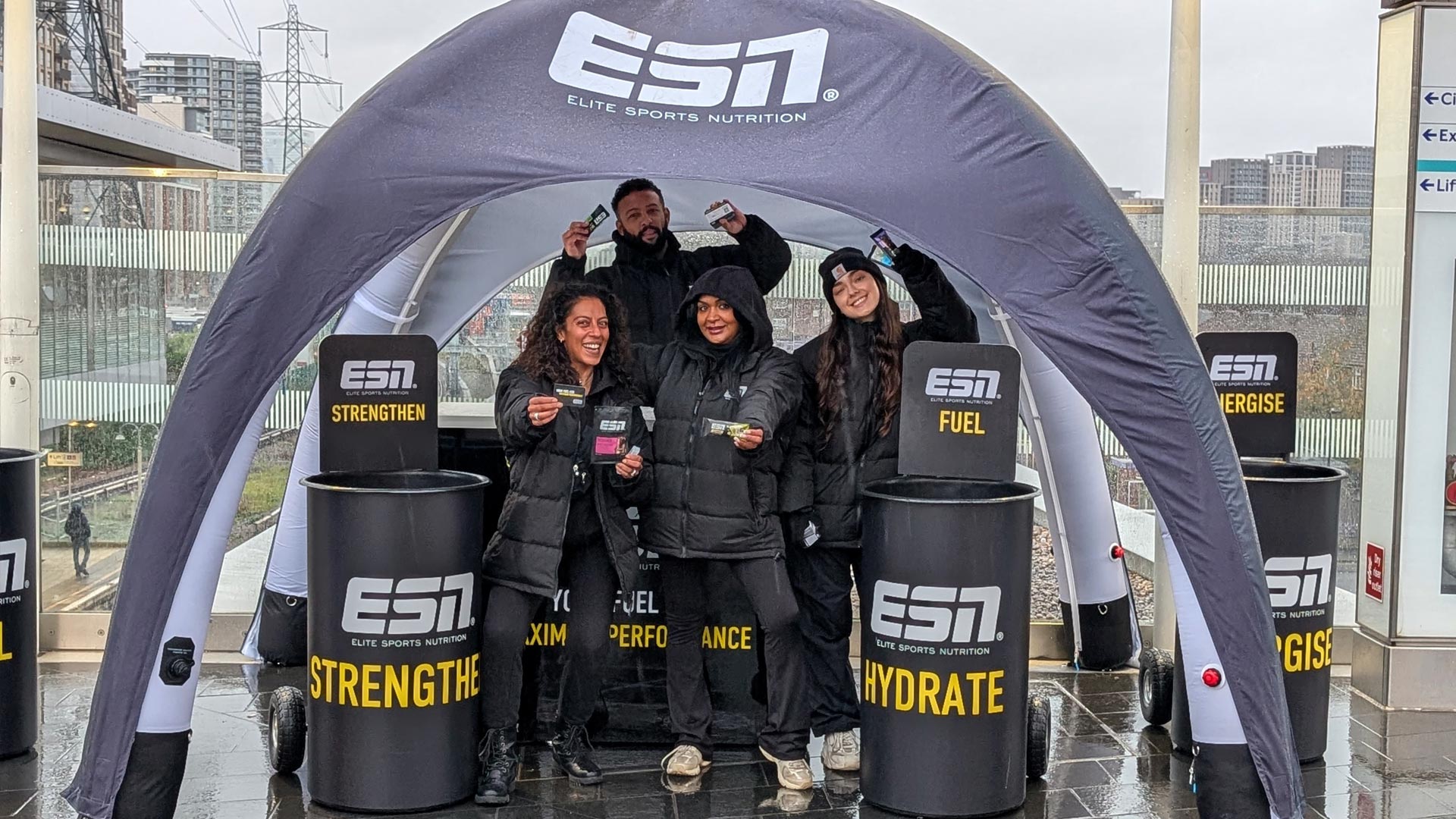
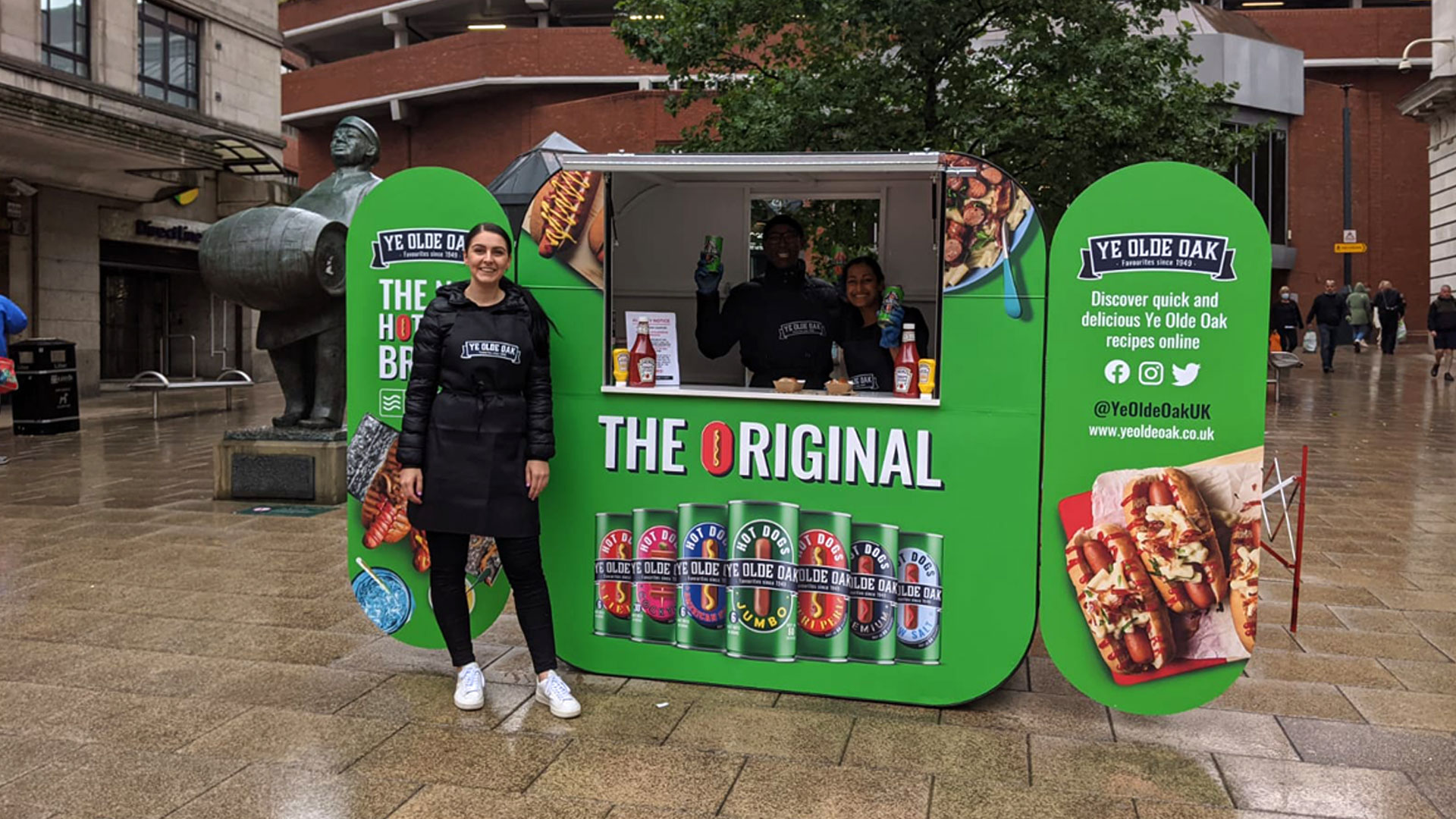
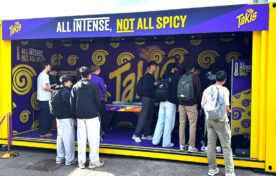
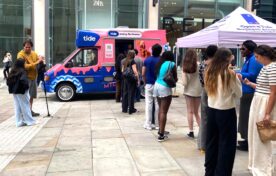
Whether it is a custom promotional vehicle on a high street, a themed sampling container at a university campus, or an immersive pop-up build in a city centre, live activations are no longer just an optional addition to a media plan: they are central to modern brand strategy.
So, why are pop-up brand experiences dominating marketing strategies right now? Let’s break down the driving forces behind the trend.
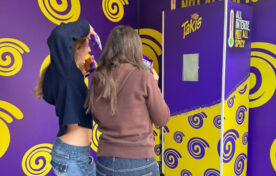
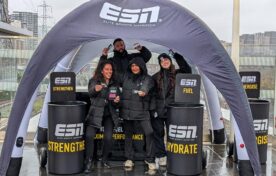
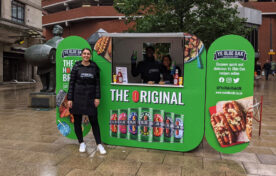
Pop-ups are beating the digital fatigue.
Consumers today spend hours every day exposed to thousands of digital impressions, sponsored posts, and pre-roll ads. The result? Digital fatigue.
Online ads are easy to swipe past, block, or completely ignore. In contrast, a physical pop-up experience occupies real-world space. When a consumer encounters a vibrant, interactive brand experience on their daily commute or during a weekend outing, it breaks the monotony of screen time.
- Physical presence creates memory hooks: Multisensory engagement (seeing, hearing, tasting, and touching a product) creates significantly stronger cognitive memory connections than a passive 2-second video view
- Guaranteed attention: A well-designed street activation or pop-up space captures total attention, giving brands dedicated time to tell their story
Converting online audiences into real-world customers.
Social media platforms like TikTok and Instagram remain essential, but the most effective online content often originates offline.
Pop-up brand activations bridge the gap between physical experience and digital reach. When designed with shareability in mind, a physical pop-up acts as a content factory:
- User-Generated Content (UGC): Visitors naturally document interactive setups, photo moments, and high-energy brand interactions, sharing them with their own followers
- Earned Organic Reach: Instead of paying purely for paid ad reach, brands leverage genuine consumer excitement to generate authentic organic impressions across social networks
When people see real humans engaging with a product in the real world, social proof increases dramatically.
Building brand trust through human interaction.
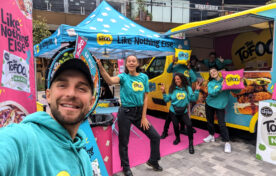
In a market saturated with direct-to-consumer promises, trial remains the fastest shortcut to trust. Consumers are far more cautious with their spending and want to know exactly what they are getting before committing to a purchase. An IRL pop-up experience backed by professional, energetic brand ambassadors transforms an abstract brand into a human connection.
- Immediate Product Trial: Letting consumers taste, test, or experience a product firsthand removes purchasing friction and objections on the spot
- Human Connection: Face-to-face conversations led by knowledgeable event staff leave a lasting positive impression that a screen simply cannot replicate
Mobility and hyper-targeted locations.
Unlike traditional retail storefronts or long-term leases, pop-ups offer complete strategic flexibility. Brands can deploy activations precisely where their target audience lives, works, and plays.
Whether targeting busy commuters at high-traffic transport hubs, students during Freshers Week, or weekend shoppers in major UK city centres, pop-up setups such as branded promo vehicles or modular sampling pods allow brands to pop up, make a high-impact statement, and evaluate immediate results.
Pop-ups drive measurable footfall & ROI.
A common misconception is that experiential marketing is purely about brand awareness. Today’s pop-up activations are designed for direct conversion and trackable performance. By incorporating physical-to-digital mechanics, brands can measure the exact impact of their IRL campaign:
- QR-Code Redemptions: Directing pop-up visitors to digital discount codes or geo-targeted retail offers
- Data Capture: Offering high-value samples or prize draw entries in exchange for email sign-ups and zero-party data
- Retail Footfall Uplift: Deploying pop-ups adjacent to major retail stockists to drive immediate in-store sales lift during key promotional windows
-
A successful IRL pop-up brand experience combines a high-footfall location, a clear physical-to-digital engagement hook, and energetic, trained brand ambassadors. It should offer an immediate value exchange – such as a product sample, interactive game, or photo opportunity – paired with a trackable digital action like a QR code or email signup.
-
Pop-up activations drive trackable ROI through direct digital mechanics, including geo-targeted discount codes, unique QR code redemptions, newsletter lead generation, and measurable uplift in local retail stockist sales during and immediately following the campaign.
-
Planning a UK pop-up experience typically requires 6 to 12 weeks. This timeline accounts for securing site permissions and council permits, vehicle or booth production and branding, logistics management, and selecting and briefing event staffing teams.
-
Pop-up brand activation budgets typically range from £5,000 to £100,000+, depending on scale, location, duration, and custom production requirements:
- Entry-Level (£5k – £15k): Ideal for targeted single-day street activations or localized sampling setups using branded dump bins, promotional pods, or small teams of brand ambassadors.
- Mid-Tier (£15k – £50k): Covers multi-city roadshows, high-impact promo vehicle hires (such as fully wrapped ice cream vans or sampling trucks), and high-footfall site permissions in major UK train stations or shopping centers.
- Large-Scale / Bespoke (£50k – £100k+): Designed for immersive spatial builds, custom shipping container conversions, multi-week nationwide tours, and complex interactive event production with comprehensive data capture setups.
For a detailed breakdown of budget factors, read our guide on how much product sampling costs.