How Can Brands Use Product Sampling to Drive Retail Sales in the Convenience Channel?.
Our guide to B2B retail and convenience store sampling for FMCG brands.
Why sampling is a B2B strategy, not just a B2C one.
Most brands think of product sampling as something that happens to consumers on a high street, outside a train station, at a festival. And it is. But some of the most effective sampling campaigns we deliver don’t begin with a consumer at all.
They begin with a retailer.
Category buyers need proof of commercial performance at shelf level, not just high street consumer metrics. For senior grocery stakeholders, a sampling activation only justifies its budget when it can demonstrate direct merchant buy-in and measurable checkout sales velocity alongside the consumer numbers. That’s the standard the convenience channel demands and it’s the standard a well-designed retail sampling programme is built to meet.
When Pringles launched their limited-edition collaboration with Burger King in spring 2026, the convenience channel was central to the strategy. With £2 price-marked packs distributed through Booker, Bestway, One Stop, SPAR and Nisa, the product needed to perform at store level from day one. The sampling campaign, delivered by iMP for Mercieca, had to work in both directions: consumer-facing to drive trial, and trade-facing to prove velocity to the buyers and independent merchants who control shelf space.
If you’re planning a campaign, you may also find our guides on How to Plan a Successful Product Sampling Campaign and How Much Does Product Sampling Cost useful.
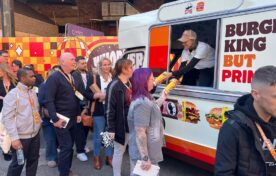
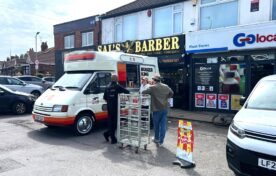
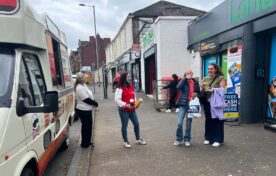
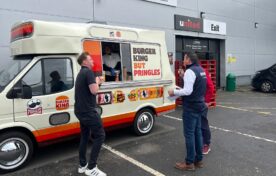
The split-day sampling model: why it works.
The distinguishing feature of retail convenience store sampling is the deliberate separation of the working day into two distinct commercial functions.
Most sampling campaigns operate in a single register: they reach consumers in public spaces and measure success in samples distributed and engagements recorded. That’s a legitimate model. But it doesn’t close the loop with the trade. Independent convenience retailers and cash-and-carry buyers don’t attend your city centre activation. They won’t see the footage. And they’re unlikely to stock a product they haven’t personally trialled, regardless of how strong the consumer response was.
The split-day model solves this. By combining morning wholesale depot activations with afternoon retail storefront deployments, a single campaign day generates both trade conversion and consumer trial and the two reinforce each other in a way that a single-channel activation cannot replicate.
Morning: wholesale depot sampling.
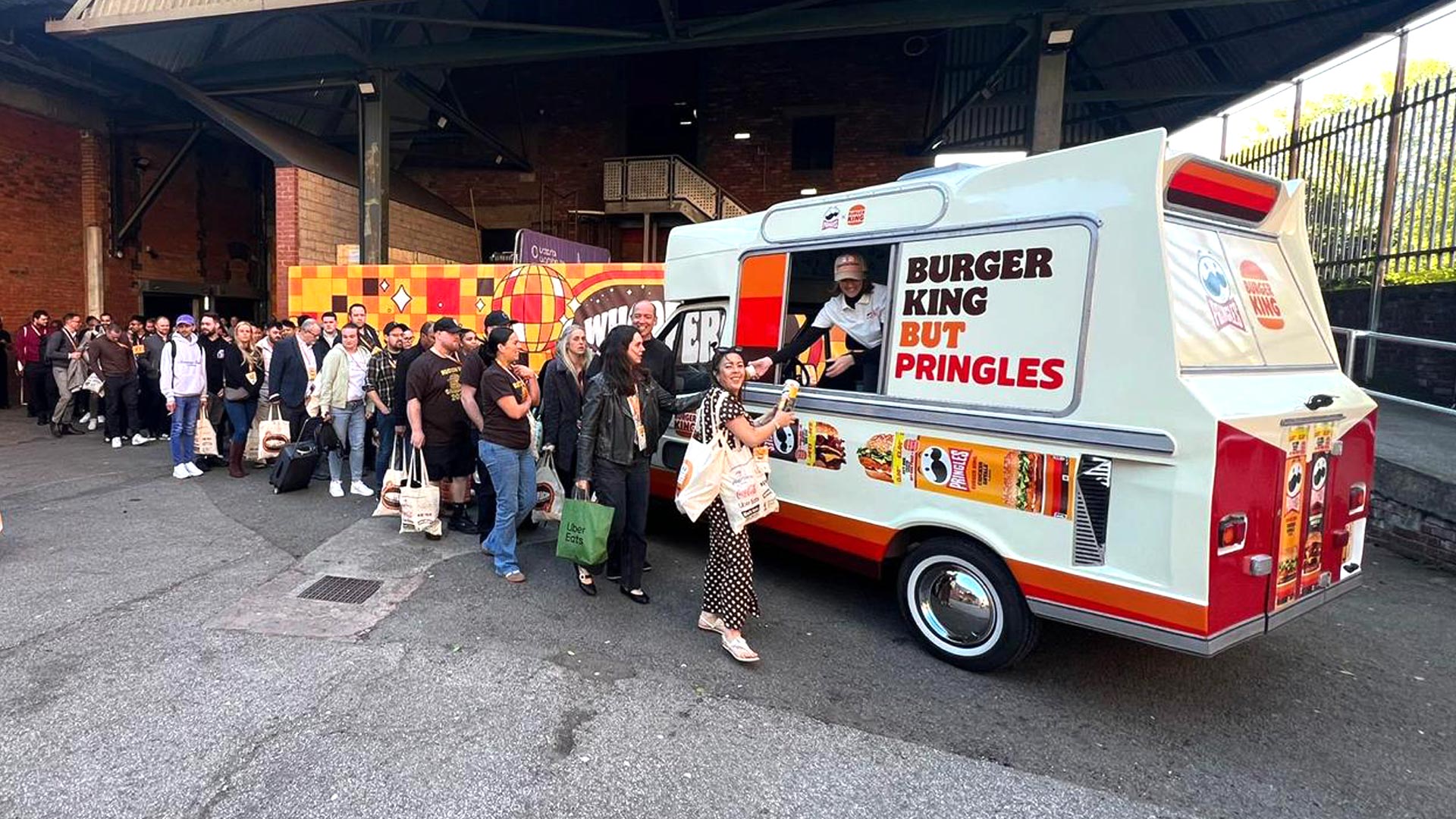
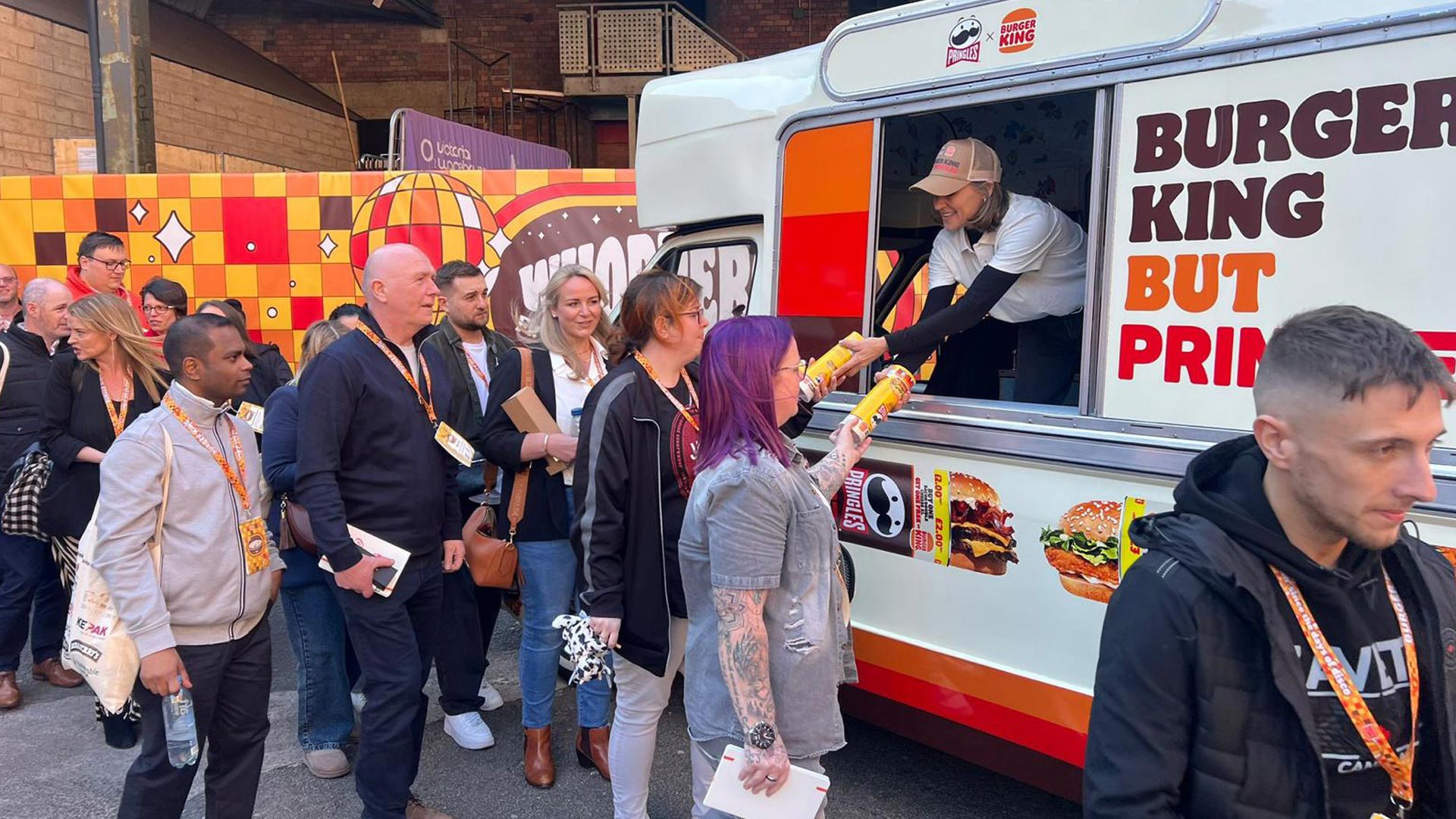
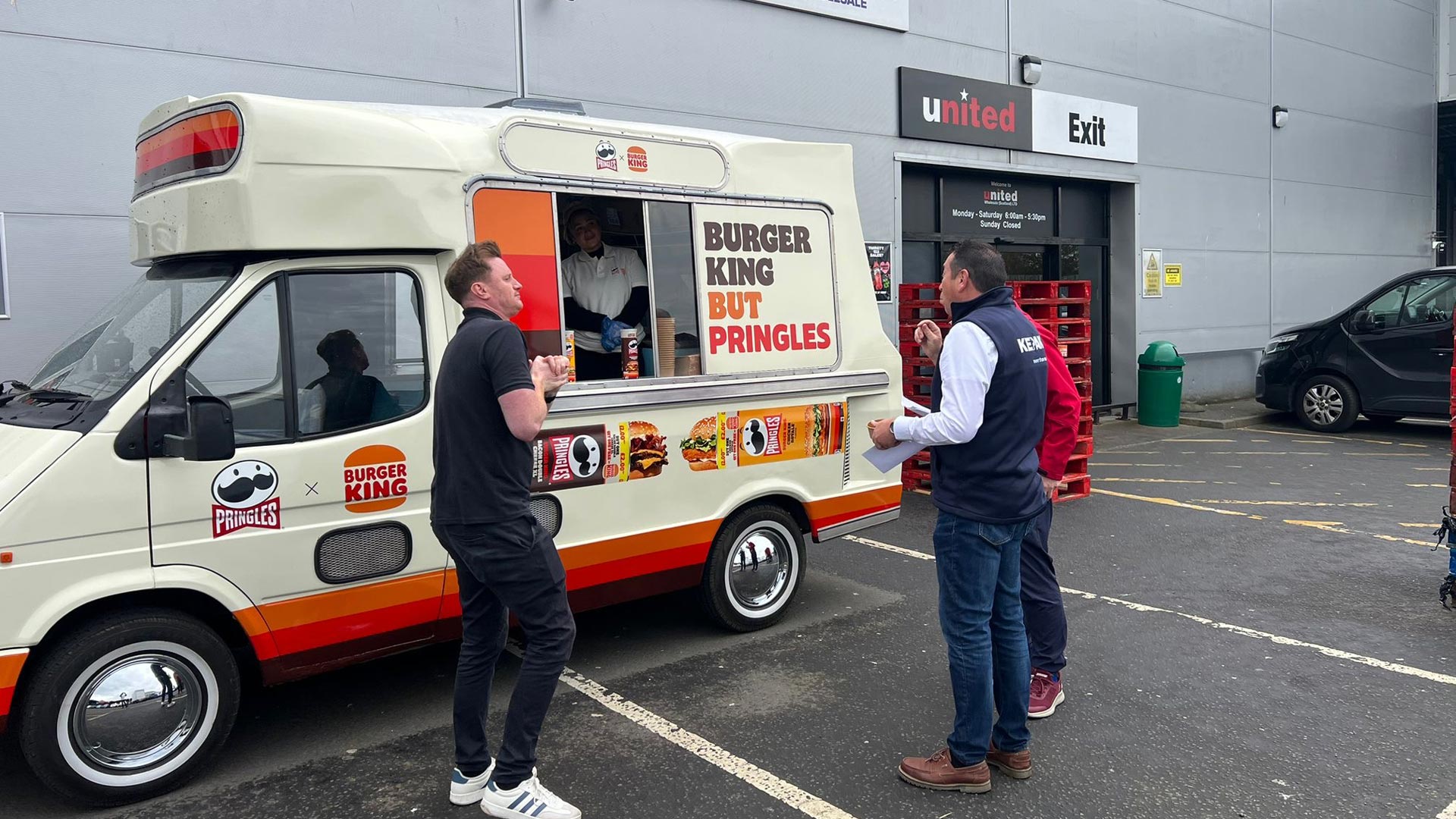
Morning sessions from 9am to 12pm on the Pringles x Burger King tour focused on independent trade networks. Deploying field teams inside wholesale environments (Parfetts, Bestways, UWS and Dhamecha Foods) placed the product in front of regional shop owners and convenience buyers at precisely the moment they are sourcing stock.
Field teams delivered live sample trials alongside key margin profiles. Independent merchants could experience the product, understand the commercial case, and place an order in the same conversation. The result was direct: retailers routinely bought stock from the depots on the spot, and many went on to replicate the activation format inside their own stores.
This is the B2B engine of retail convenience sampling and it’s what most consumer-focused sampling agencies aren’t set up to deliver.
Afternoon: convenience storefront activations.
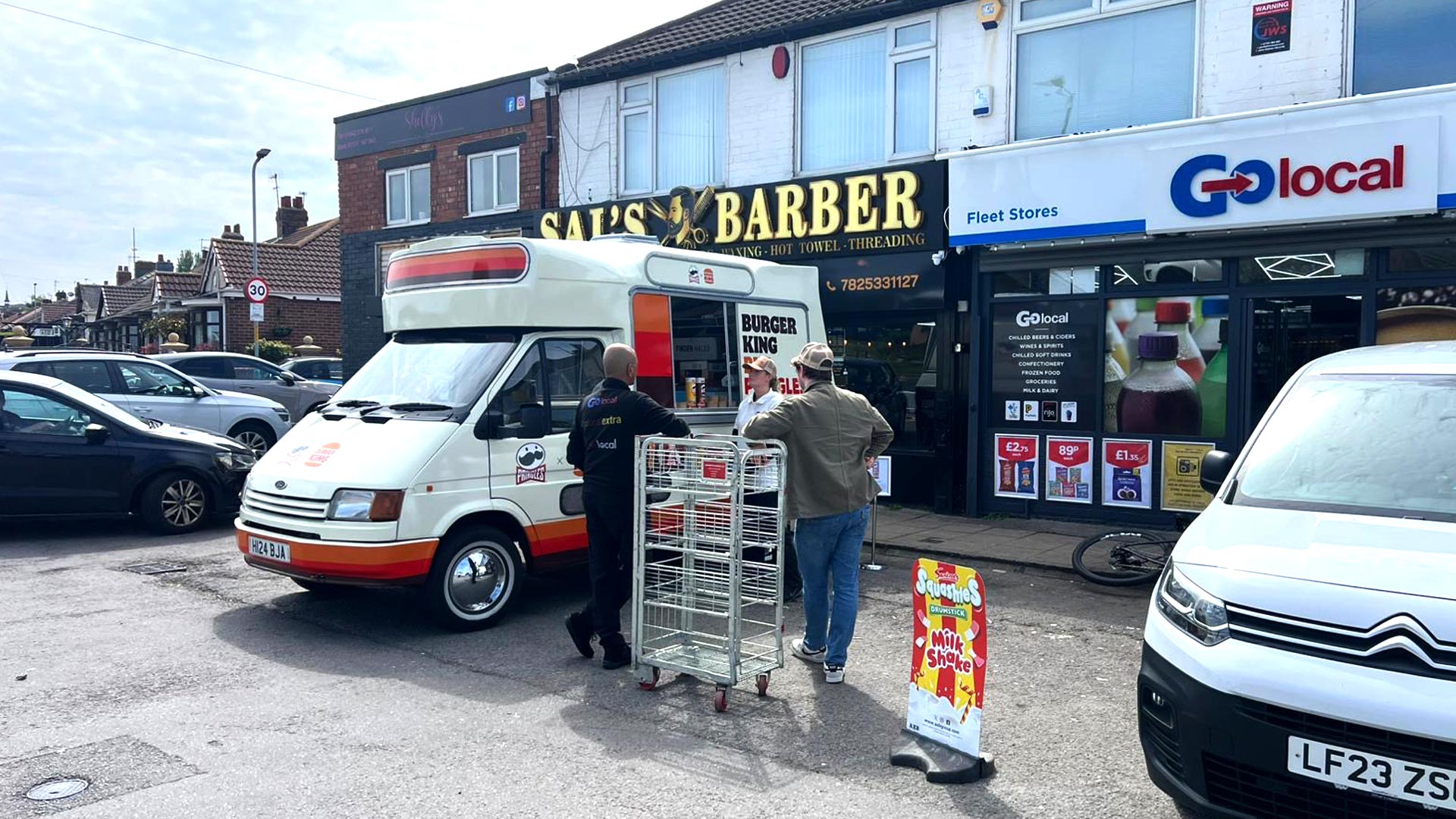
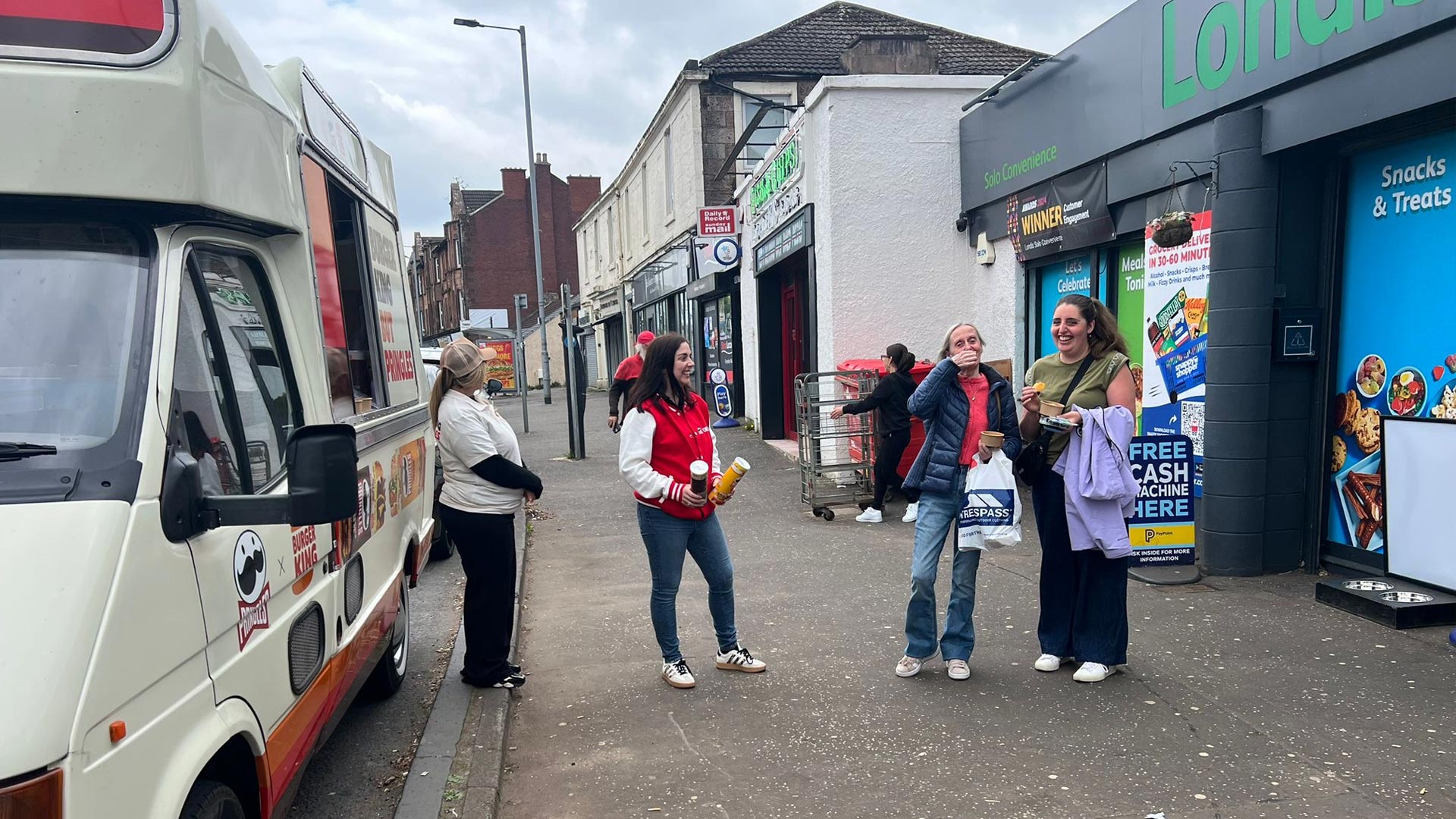
From 2pm to 5pm, the same campaign shifted entirely to consumer-facing convenience storefronts. Activations across symbol group outlets (One Stop, Londis, Costcutter, BB Superstore) intercepted peak footfall during the post-school rush, with engagement concentrated between 3pm and 4:30pm.
Positioning Vanessa, iMP’s vintage Ford Transit ice cream van, directly outside the store entrance did two things simultaneously: it generated immediate trial for the brand and increased footfall into the host retailer. Consumers sampled on the street and walked straight in to buy. That’s a rate-of-sale increase the retailer feels in real time. And it’s the kind of evidence that makes them a genuine advocate for the product.
The operational logs tracked exact stock depletion per site across the tour, providing the verifiable volume data that category buyers need for shelf allocation decisions. Highlights from the store-level data:
Chicken Royale tubes sampled:
- One Stop, Dumbarton Road, Glasgow – 16 cases
- Londis Bexley, Maplehurst Close, Dartford – 13 cases
- BB Superstore, Love Lane, Pontefract – 10 cases
- Malcolm’s Costcutter, Elm Tree Avenue, Coventry – 9 cases
Bacon Double Cheese XL tubes sampled:
- One Stop, Dumbarton Road, Glasgow – 16 cases
- Londis Bexley, Maplehurst Close, Dartford – 12 cases
- BB Superstore, Love Lane, Pontefract – 11 cases
- Malcolm’s Costcutter, Elm Tree Avenue, Coventry – 8 cases
Campaign results.
The Pringles x Burger King tour ran from 1st May to 25th May 2026, kicking off at Whoppercon in Manchester before travelling from Edinburgh down to London. Across the 24-day programme, the headline numbers were:
- Total samples distributed: 15,000 placed directly into consumers’ hands
- Total volume cleared: 224.5 combined outer tubes and cases across all sites
- Flavour preference: Chicken Royale led at 60%, with core audiences consistently praising the flavour replication
- Core demographic: The 36–45 age bracket accounted for 40% of total live interactions
“This is exactly the kind of collaboration that cuts through. Two massive brands, a clear idea, and a format that just works. It’s bold, it’s simple, and it gets product straight into people’s hands at scale,” said David Gibbons, Managing Director at iMP.
What does the data actually prove?
A consumer engagement figure tells you how many people tried the product. A site-level depletion log tells you how many cases moved at a specific storefront in a specific postcode. These are different types of evidence for different audiences.
The consumer data goes into campaign reporting. The depletion data goes into category review decks. When a brand manager is arguing for increased shelf space or a new SKU listing at a symbol group, the question they’ll be asked is: what does this product do at point of purchase? Site-level stock clearance rates from named stores in named locations answer that question directly.
That’s what the split-day model produces. And it’s why retail convenience sampling, structured this way, justifies its investment in a way that consumer-only campaigns often cannot.
Who is retail convenience store sampling suited to?
This approach works best for:
- FMCG brands launching new SKUs into wholesale-distributed convenience channels
- Co-branded or limited-edition products where the collaboration itself generates attention
- Products with a strong impulse-purchase profile — snacks, drinks, confectionery
- Brands that need to demonstrate trade investment to symbol group or wholesale buyers
- Products at a £2 or under price point that convert easily from sample to immediate purchase
It is less suited to products requiring extended education, or where distribution is exclusively grocery multiples with no convenience or independent presence.
Thinking about retail sampling for your next launch?
Our Product Sampling Services cover everything from city centre activations to wholesale depot sampling and retail convenience store deployments. Get in touch to discuss planning and delivering your next branded retail sampling campaign.